
What’s the Difference Between Screen Printing and Embroidery?
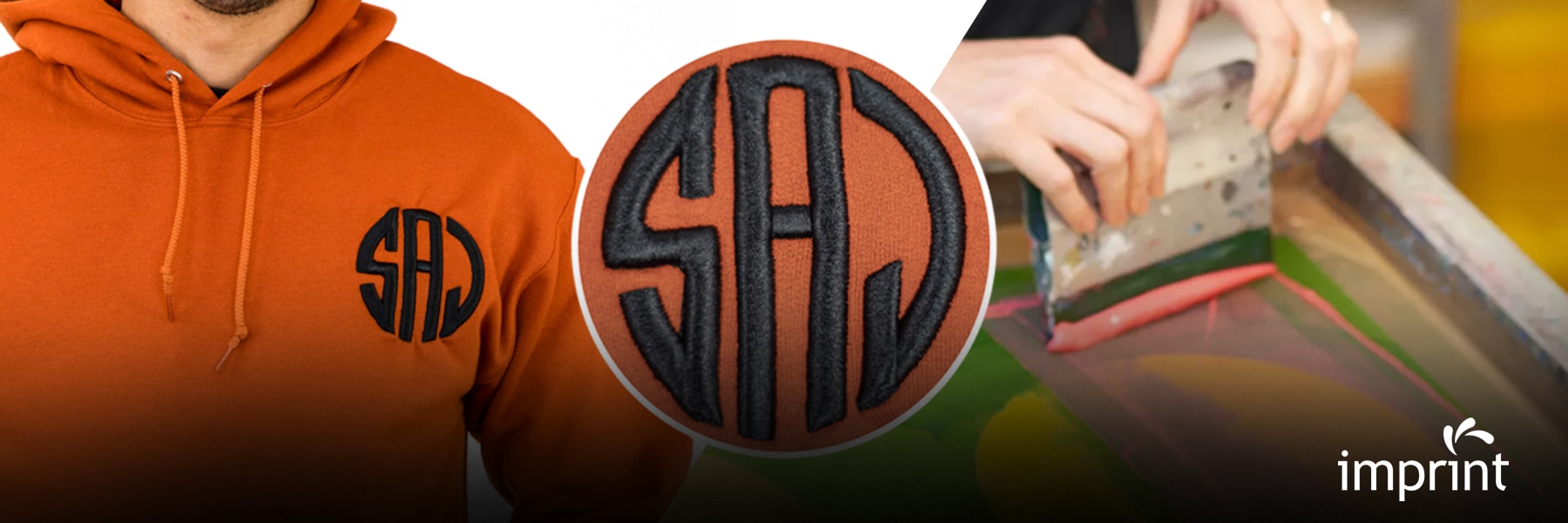
Screen printing and embroidery are two popular methods for custom designs on clothing and accessories.
Customization in apparel and promotional products is key to branding, offering businesses a chance to stand out.
Each has its advantages, and choosing the right method based on your needs is important.
Screen printing uses ink applied through a mesh screen, making it ideal for large, colorful designs and bulk orders.
Embroidery stitches a design onto the fabric, making it great for durable, professional promotional products.
Understanding the differences between screen printing and embroidery helps you choose the best technique for custom apparel.
Whether you choose screen printing for vibrant designs or embroidery for a textured look, both methods boost your brand’s visibility.
At Imprint, we offer expert screen printing and embroidery services to deliver high-quality results for your branding goals.
What is Screen Printing?
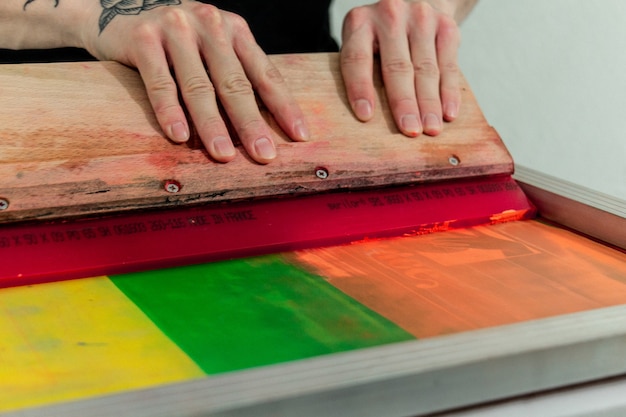
Screen printing, or silk screening, is a popular technique for creating custom t-shirts and other fabric products.
It involves transferring a printed image onto a surface using a mesh screen, ink, and a squeegee.
Definition and Process of Screen Printing
The process starts with designing an image, which is transferred to a photo emulsion-coated mesh screen.
The screen is exposed to light, hardening the emulsion in areas not covered by the design, forming a stencil.
Ink is then pressed through the mesh onto the fabric, often t-shirts, with a squeegee.
This step is repeated for each color, allowing for multi-colored prints.
Screen printing can be done manually or with automated printers and is popular for producing vibrant, high-quality prints on various surfaces.
Materials Used in Screen Printing
- Mesh screens: Often made of polyester, these screens hold the stencil and allow ink to pass through onto the fabric.
- Photo emulsion: A light-sensitive material that creates the stencil on the screen.
- Inks: Specialized screen printing inks provide long-lasting and vibrant prints.
- Squeegees: These are used to spread the ink evenly across the screen.
- Substrates: Typically, cotton or polyester t-shirts are used, though other fabrics can also be printed on.
Advantages of Screen Printing
- Cost-effective for large batches: Once the setup is complete, screen printing becomes economical for producing large quantities of the same design.
- Vibrant color options: This method excels in creating bright, vivid prints that stand out, making it ideal for custom t-shirts.
Disadvantages of Screen Printing
- Less durable over time: While the initial prints are vibrant, they may fade or crack with repeated washing and wear.
- Limited to certain types of fabrics: Screen printing works best on flat surfaces and is not suitable for all fabric types, limiting its versatility.
For businesses offering screen printing services, such as Imprint, this technique remains a popular technique due to its ability to produce high-quality, large-volume prints efficiently.
Advanced techniques in screen printing continue to evolve, enhancing the durability and vibrancy of the prints, ensuring they remain a top choice for custom t-shirts and promotional products.
What is Embroidery?
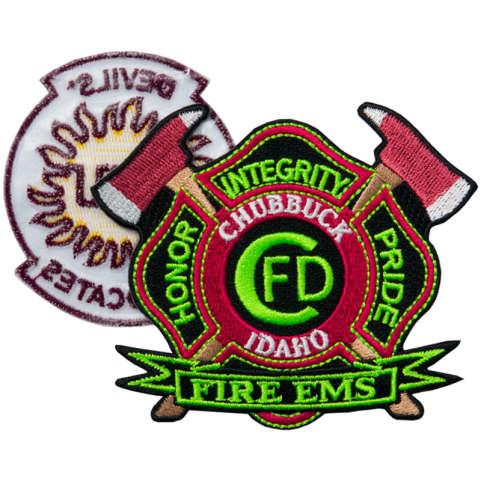
Embroidery is a technique that decorates fabric with designs stitched using a needle and thread or yarn. Unlike screen printing, which transfers ink onto a surface, embroidery creates patterns directly on fabric using thread.
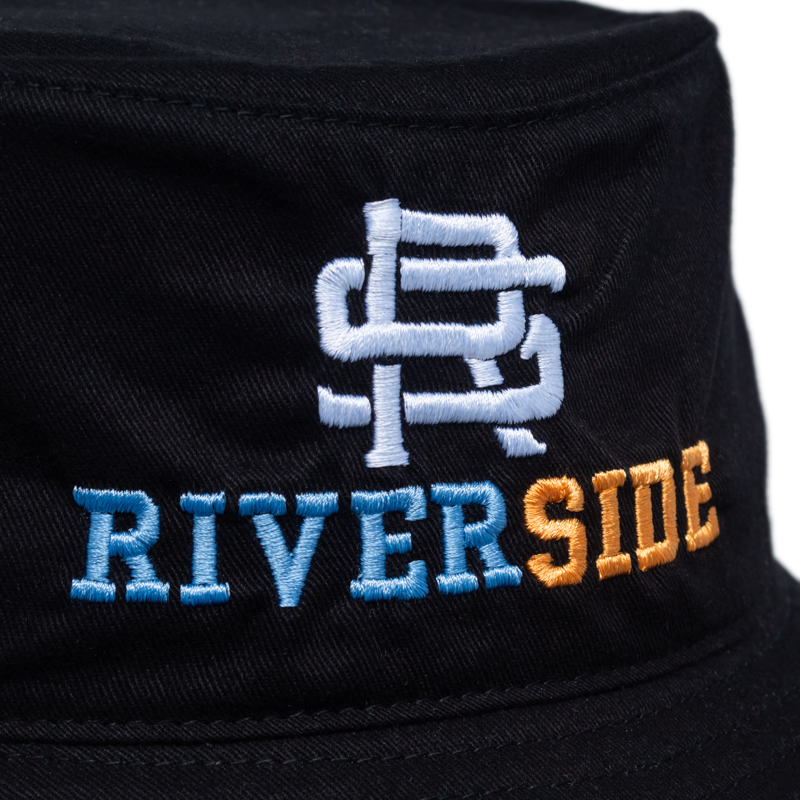
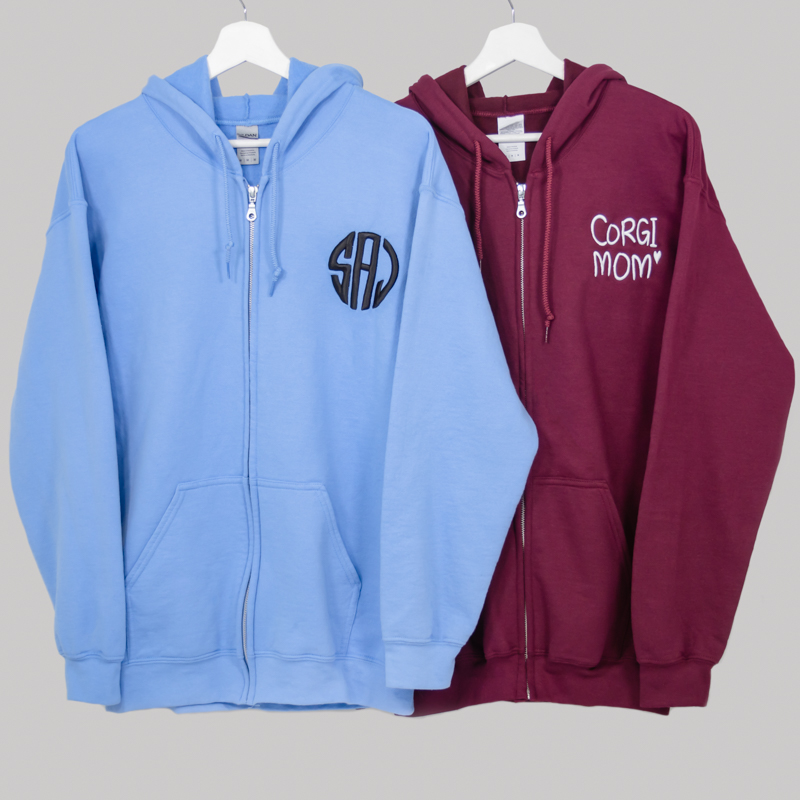
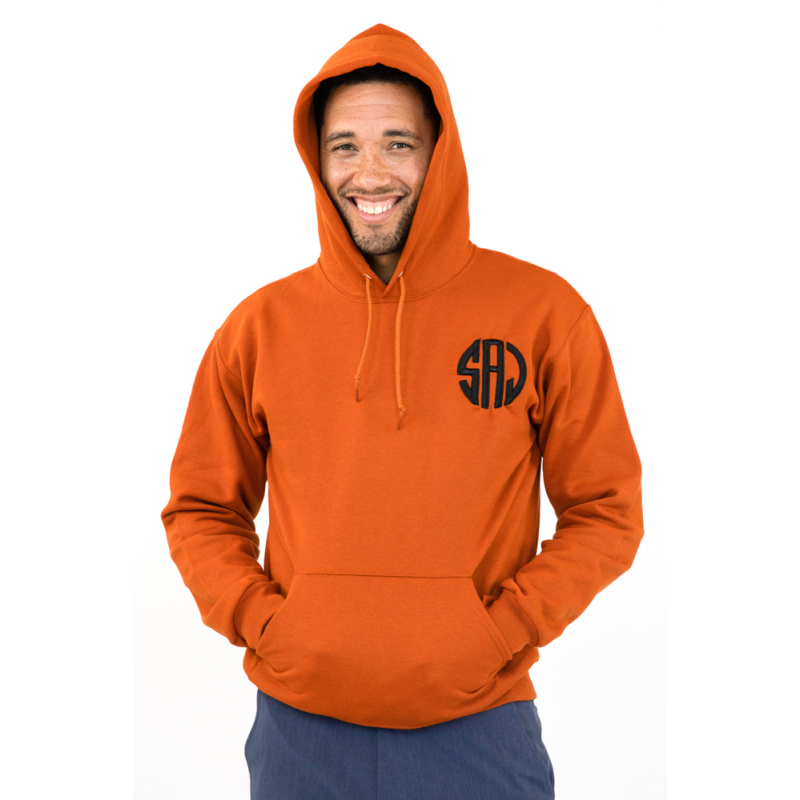
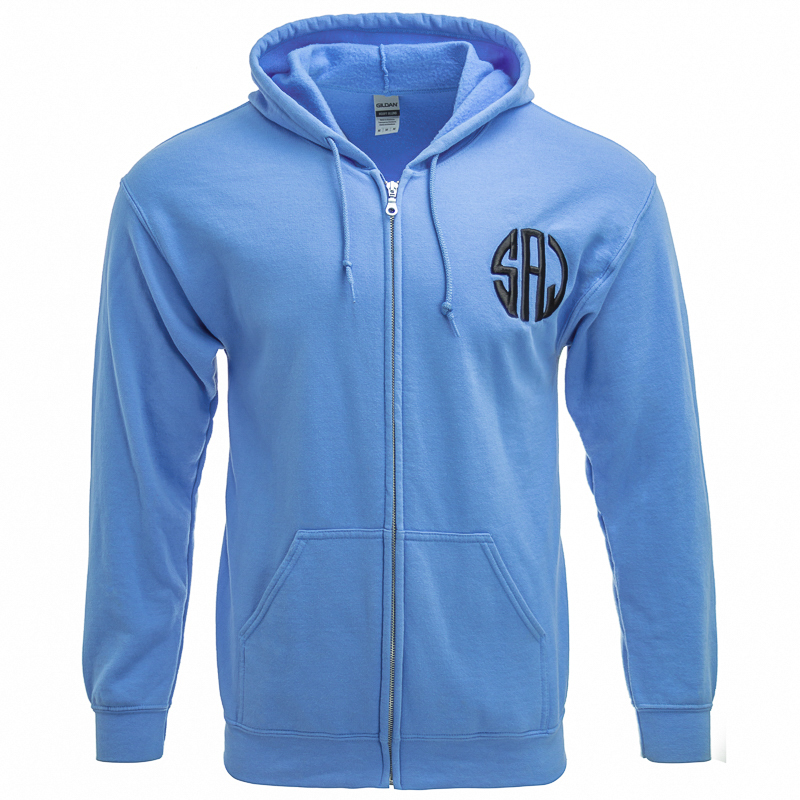
It’s commonly used for logos, monograms, and intricate designs on items like t-shirts, hats, and jackets, offering a textured, luxurious finish.
Definition and Process of Embroidery
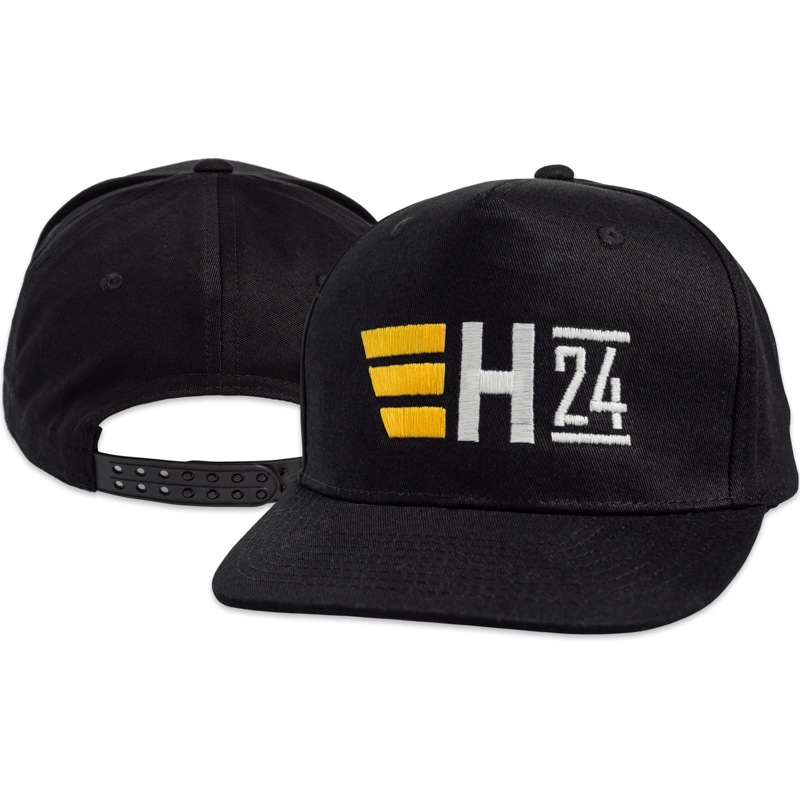
Embroidery starts with a design, either custom art or a logo, which is digitized for the machine.
The fabric is hooped to keep it taut, and the machine stitches the design with cotton, polyester, or blended threads.
The process allows for fine detail and precision, often chosen for custom t-shirts and corporate apparel.
A backing material stabilizes the fabric, preventing distortion and ensuring the design remains intact through wear and washing.
Materials Used in Embroidery
The primary materials in embroidery are threads and backing.
Threads can be made from various fibers like rayon, polyester, or metallics, chosen based on the desired finish and durability.
Backing materials, usually a non-woven fabric, provide additional support and structure during the embroidery process.
Advantages of Embroidery
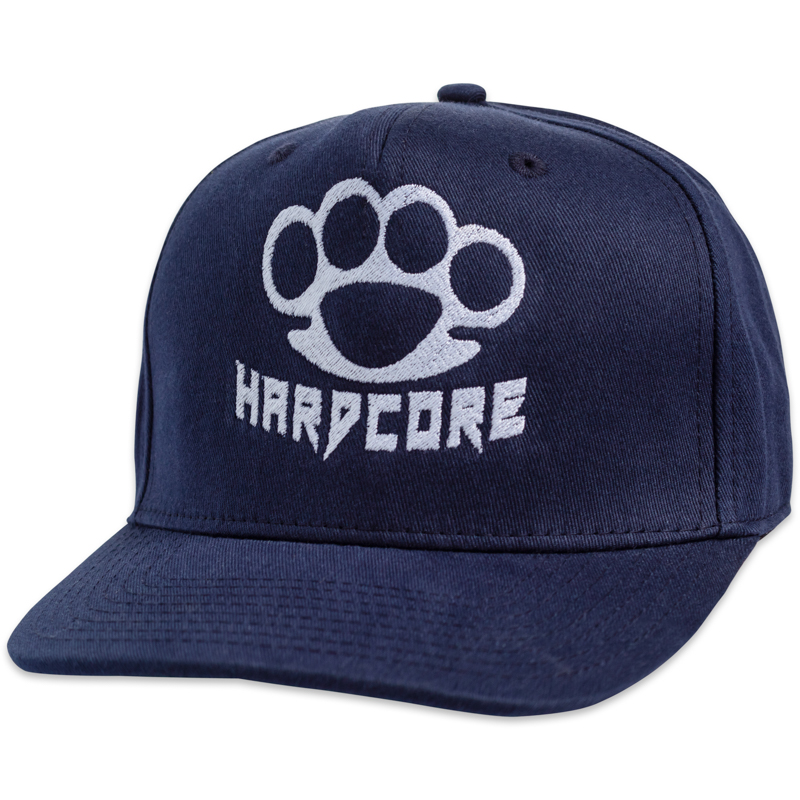
- Long-lasting and Durable: Embroidered designs are highly resistant to wear and tear, making them ideal for clothing and accessories that will endure frequent use and washing.
- High-end, Professional Appearance: Embroidery adds a three-dimensional, textured quality to garments, giving them a sophisticated and polished look. This is why many businesses choose embroidery for uniforms and promotional items.
Disadvantages of Embroidery
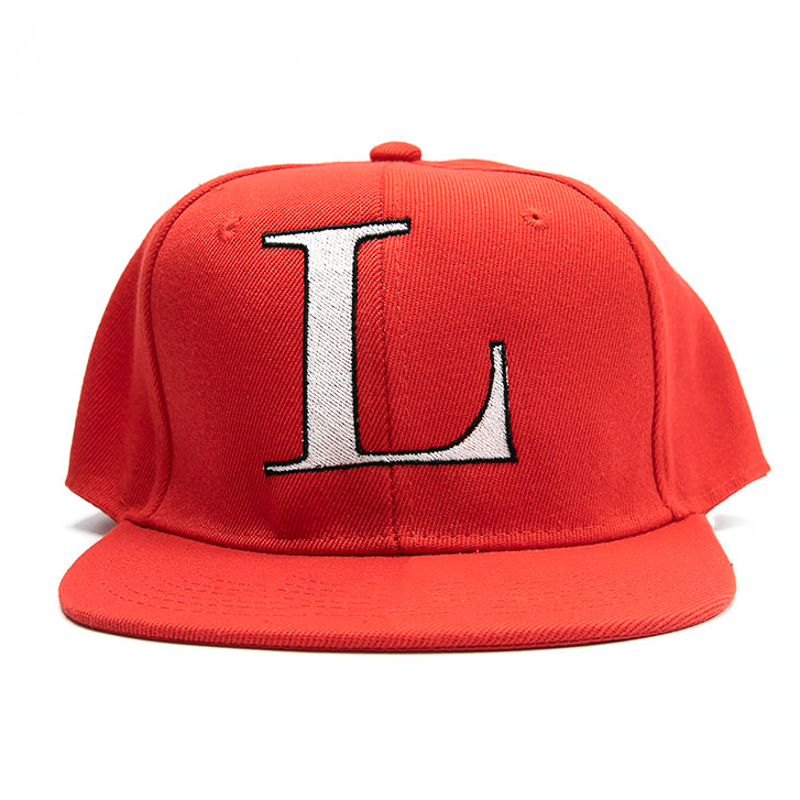
- Higher Cost for Larger Orders: Due to the labor-intensive nature of embroidery, the price tends to increase with the complexity and size of the design, making it more expensive than screen printing services for large quantities.
- Limited Color Range Compared to Screen Printing: Embroidery is constrained by the available thread colors, whereas screen printers can mix ink to create virtually any hue, offering greater color flexibility for complex designs.
Despite these limitations, embroidery remains a preferred choice for those seeking durability and a high-end look for their shirts and other apparel.
It provides a unique way to create custom designs that stand out, making it a valuable option for businesses and individuals alike.
Key Differences Between Screen Printing and Embroidery
When choosing between screen printing and embroidery for custom t-shirts and other apparel, understanding the key differences can help you make an informed decision.
Here’s a comprehensive comparison focusing on cost implications, durability, fabric suitability, aesthetic appeal, and best use cases for each method.
Cost Implications
Screen Printing:
Screen printing generally offers a lower cost per unit, especially for large orders.
The setup involves creating a stencil (or screen) for each color in the design, which can be cost-effective for bulk production.
However, the initial setup costs can be higher, making it less economical for smaller runs.
Custom t-shirts with simple designs and fewer colors are ideal for keeping the price down with screen printing.
Embroidery:
Embroidery is more expensive due to its time-consuming process and use of threads.
Logos or designs are stitched with specialized tools, raising labor costs.
Though costlier, many companies value the premium, professional finish.
For small quantities or detailed designs, embroidery offers better value.
Durability and Longevity

Screen Printing:
The durability of screen printing largely depends on the quality of the ink and the curing process.
Properly cured screen prints can last a long time, especially on t-shirts.
However, over time and with frequent washing, the print may crack or fade, particularly if inferior ink or techniques are used.
Embroidery:
Embroidery is highly durable.
The stitched design resists wear, making it ideal for work uniforms, sportswear, and heavy-use apparel.
Unlike screen printing, embroidery won’t fade, crack, or peel, lasting longer than the garment itself.
Suitable Fabric Types
Screen Printing:
Screen printing works best on smooth, flat fabrics like cotton, polyester, and blends commonly used for t-shirts.
The ink adheres well to these surfaces, ensuring a clear and vibrant finish.
However, it’s less effective on textured fabrics like fleece or canvas, where the ink may not apply evenly.
Embroidery:
Embroidery is versatile and can be used on a wide range of fabric types, including cotton, denim, fleece, and even more challenging materials like leather or heavy-duty canvas.
The ability to work with diverse textures makes embroidery suitable for a variety of apparel and promotional items, such as hats, jackets, and bags.
Aesthetic Appeal and Finish
Screen Printing:
Screen printing offers a smooth, vibrant finish, especially with designs that use bold colors and graphics.
The ink sits on top of the fabric, creating a bright and eye-catching result.
It’s perfect for fun, artistic designs that require a high level of detail or a large area of coverage.
Embroidery:
Embroidery adds a touch of class and texture to garments.
The raised threads give the design a 3D effect, which can make logos and lettering stand out.
The finish is often perceived as more elegant and professional, making it ideal for corporate branding on polos, shirts, and caps.
Best Use Cases for Each Method
Screen Printing:
- Best for: Large orders, promotional t-shirts, community events, and designs with multiple colors or complex art.
- Common uses: Custom t-shirts, posters (on paper), and even glass and metal surfaces with special inks and techniques.
- Why choose: Cost-effective for high-volume production, vibrant finishes, and the ability to create detailed and intricate designs.
Embroidery:
- Best for: Smaller runs, corporate uniforms, and items needing a professional look.
- Common uses: Polos, jackets, hats, and bags.
- Why choose: High durability, premium look, and suitable for a variety of fabric types.
Both screen printing and embroidery have their unique advantages, making them suitable for different needs.
Whether you’re aiming to save on costs or seeking a luxurious finish, understanding these key differences will help you choose the right method for your next custom t-shirt project.
Choosing the Right Method for Your Needs
When selecting between screen printing and embroidery, understanding your specific needs is crucial.
The decision often depends on several factors, such as budget, the type of apparel or product, the intended use, and the target audience.
Let’s explore these factors and how they align with the techniques offered by Imprint
Budget Considerations
For many customers, budget is key.
Screen printing is cost-effective for large orders, especially with multi-color or open designs.
Using a stencil to apply ink saves costs, especially on glass or promotional items.
Embroidery is more expensive due to materials and time.
Each stitch increases the price, making it ideal for smaller or high-end orders.
Embroidery’s detail and texture add elegance, boosting the product’s perceived value.
Type of Apparel or Product
The type of apparel or product also plays a significant role in determining the most suitable method.
Screen printing is ideal for flat, smooth surfaces like T-shirts, tote bags, and sweatshirts. It works well on fabrics that can hold the ink, maintaining vibrant colors over time.
Embroidery, on the other hand, is best suited for thicker materials such as jackets, caps, and polos.
It adds a professional look that’s hard to achieve with screen printing.
For corporate attire, where a company logo must stand out, embroidery offers a style that aligns with a professional image.
Intended Use and Audience
The intended use of the product and the audience also influence the choice. For community events or casual wear, screen printing is often preferred.
It’s versatile and allows for creative, colorful designs that can attract attention and make a sign for the event’s spirit.
For business uniforms or premium giveaways, embroidery conveys a sense of prestige and durability.
It’s a technique that resonates well with an audience looking for quality and sophistication.
Situations Where Screen Printing is More Suitable
Screen printing
Shines in scenarios where a larger volume of items needs to be produced quickly and cost-effectively.
For instance, when preparing for a company event or a promotional campaign targeting a wide audience, screen printing allows for uniform, vibrant designs across numerous items.
Another example is when the design involves intricate color patterns or open areas that benefit from the smooth, even application of ink.
T-shirts for a music festival or glass bottles for a health campaign are perfect candidates for this method.
Situations Where Embroidery is More Suitable
Embroidery
It’s ideal for occasions requiring durability and a premium finish.
Corporate gifts like embroidered blankets or polo shirts leave a lasting impression and are more durable.
For businesses aiming for a high-end image, embroidery offers a tactile, three-dimensional look that screen printing can’t match. It’s the top choice for luxury uniforms or merchandise.
Understanding these factors helps you make an informed decision that aligns with your goals and resonates with your audience, ensuring the final product meets both job and style expectations.
Promotional Products at Imprint
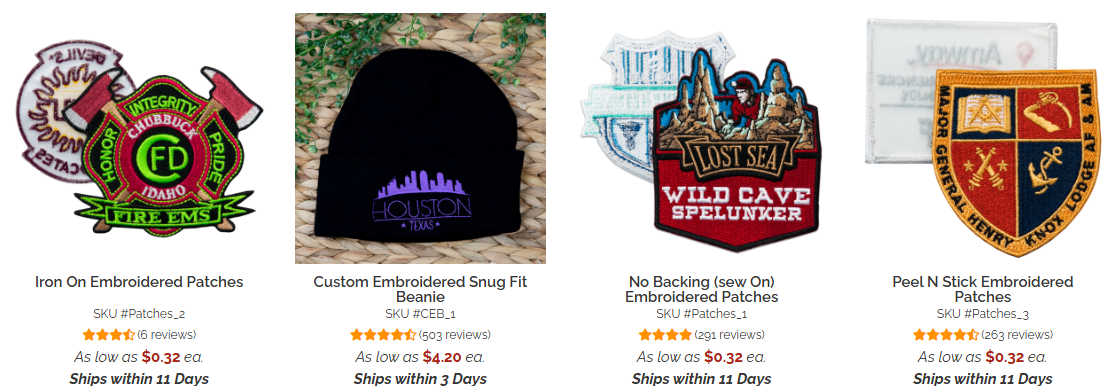
Imprint offers a vast array of customized promotional products that cater to various marketing and branding needs.
Whether you’re looking to outfit a team, promote an event, or create memorable giveaways, Imprint provides high-quality screen printing and embroidery options tailored to your preferences.
Examples of Screen-Printed Products Available on Imprint
Screen printing is a popular and cost-effective method for large-scale promotional items.
Imprint specializes in screen printing on various materials, offering a smooth and durable finish ideal for detailed artwork and bold designs.
Some of the best-selling screen-printed products include:
- T-Shirts: Available in a range of styles and colors, screen-printed t-shirts are a staple promotional item, perfect for community events, corporate giveaways, or sports teams.
- Tote Bags: These eco-friendly tote bags are practical and stylish, making them a favorite for promoting awareness campaigns or trade shows.
- Caps: With adjustable fits and vibrant colors, screen-printed caps are excellent for outdoor events and giveaways.
Examples of Embroidered Products Available on Imprint
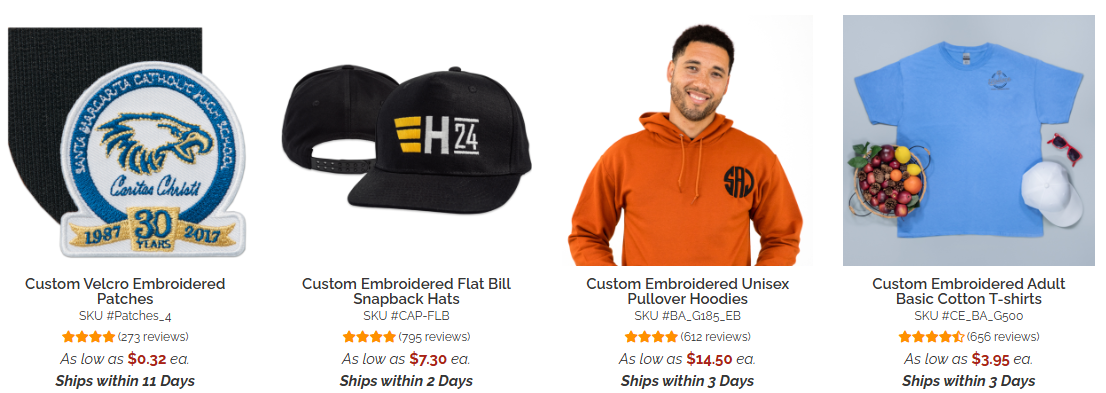
For a more premium look and feel, embroidery adds a touch of sophistication and durability.
Imprint embroidery services ensure precise stitching that stands the test of time, ideal for products meant to endure regular wear and washing.
Key embroidered products include:
- Polo Shirts: A classic choice for corporate attire, embroidered polo shirts exude professionalism and are perfect for company uniforms.
- Jackets: Embroidered jackets provide a high-end promotional product that is both practical and stylish, ideal for colder weather or outdoor activities.
- Hats: Durable and long-lasting, embroidered hats are perfect for creating a polished, cohesive look for teams or community events.
How to Choose Between Screen Printing and Embroidery for Promotional Products on Imprint
Choosing between screen printing and embroidery depends on the product, budget, and desired outcome.
Here are some factors to consider:
Product Type: Screen printing suits flat surfaces like t-shirts and tote bags, while embroidery is better for thicker materials like polos and jackets.
Budget: Screen printing is cost-effective for bulk orders, while embroidery is pricier but offers a professional, luxurious look.
Design Details: Screen printing is ideal for intricate, multicolor designs, while embroidery suits simpler logos with added texture.
Imprint offers a simple, user-friendly process for customizing your promotional products online.
Upload artwork, provide details, and choose your decoration method to complete your order quickly.
If unsure, Imprint’s team is available to help, ensuring your promotional products make a lasting impression.
Conclusion:
Screen printing and embroidery each offer unique benefits for customizing apparel and promotional products.
Screen printing is ideal for vibrant, large-scale designs and bulk orders, offering cost-effective solutions for colorful artwork.
Embroidery, on the other hand, provides a durable, professional finish with a textured look, making it perfect for small runs and premium giveaways.
Understanding the differences helps you choose the method that fits your needs, whether for cost-effective or high-quality products.
At Imprint, we provide both services to ensure your brand stands out with exceptional results.
Whatever your customization needs, we’re here to help bring your vision to life with precision and care.
Elevate Your Branding With Imprint
Ready to elevate your branding with customized apparel? Whether you’re looking for vibrant screen printing or luxurious embroidery, Imprint has you covered with high-quality, professional options to suit your needs.
Explore our extensive collection of promotional products and let us help bring your vision to life. Start customizing today with Imprint and make a lasting impression with every piece!
Resources:
Post, Contributed. “Screen Printing Vs. Embroidery: Which Is Best for Custom Apparel?” Blogging Mom of 4, 15 Sept. 2024, bloggingmomof4.com/screen-printing-vs-embroidery