
Marketing vs Branding: What’s the Difference?
This blog will break down the difference between Marketing and Branding by exploring key concepts, marketing vs branding examples, and how businesses can leverage both effectively.
In the competitive world of business, the terms marketing and branding are often used interchangeably, but they serve distinct purposes.
Marketing encompasses the strategies and tools businesses use to promote their products or services, while branding is the process of shaping a company’s identity, values, and reputation.
Understanding the difference between marketing and branding is crucial for businesses of all sizes, as it helps in developing a strong branding vs marketing strategy that fosters long-term success.
Whether you’re a startup looking to establish a brand identity or a small business aiming to enhance customer loyalty, we’ll dive into branding vs marketing in business and discuss how branding affects marketing.
Additionally, we’ll provide insights into marketing vs branding for startups and branding vs marketing for small businesses to help you create a well-rounded strategy.
At Imprint, we understand the power of both marketing and branding.
From promotional products that boost brand awareness to custom merchandise that reinforces brand identity, we offer solutions that support businesses in achieving their marketing and branding goals.
Stay tuned as we explore these crucial concepts in detail!
Defining Marketing and Branding
What is Marketing?

Marketing is a strategic approach used by businesses to promote their products or services, attract customers, and drive sales.
It involves various techniques designed to communicate a brand’s value to its target audience.
A well-planned marketing strategy ensures that a business remains competitive and relevant in an ever-changing market.
Key components of marketing efforts include:
- Advertising – Paid promotions across digital and traditional platforms to reach potential customers.
- Search Engine Optimization (SEO) – Optimizing content to improve search rankings and increase website traffic.
- Content Marketing – Creating valuable blogs, videos, and other media to engage and inform audiences.
- Social Media Marketing – Utilizing platforms like Facebook, Instagram, and LinkedIn to build relationships and enhance brand identity.
- Email Marketing – Sending personalized messages to nurture leads and retain customers.
Marketing serves both short-term and long-term goals.
In the short term, businesses aim to generate immediate sales through targeted marketing campaigns.
In the long term, marketing helps build brand strategy, ensuring sustained growth, customer loyalty, and alignment with evolving market trends.
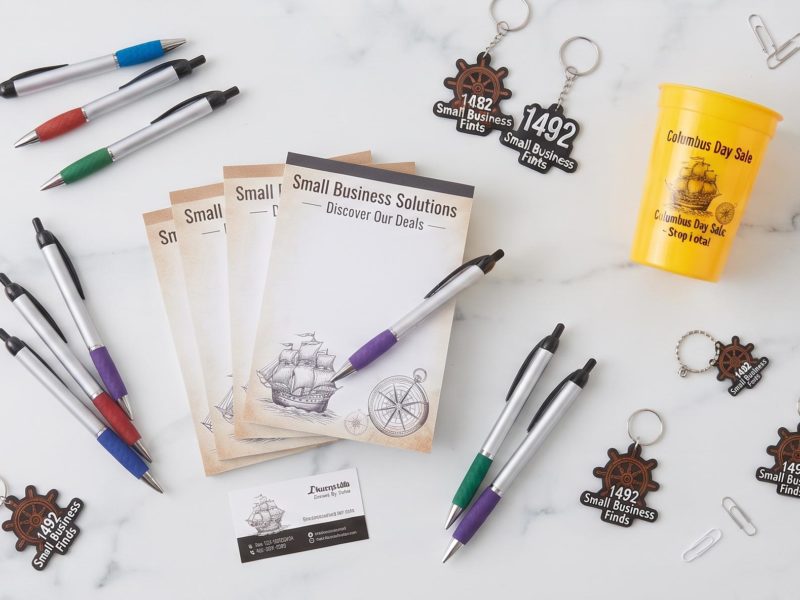
At Imprint, businesses can enhance their marketing branding efforts with custom promotional products that strengthen their visual identity.
From branded apparel to corporate giveaways, these products help companies leave a lasting impression and provide exceptional customer service by offering valuable, high-quality items to their clients.
What is Branding?
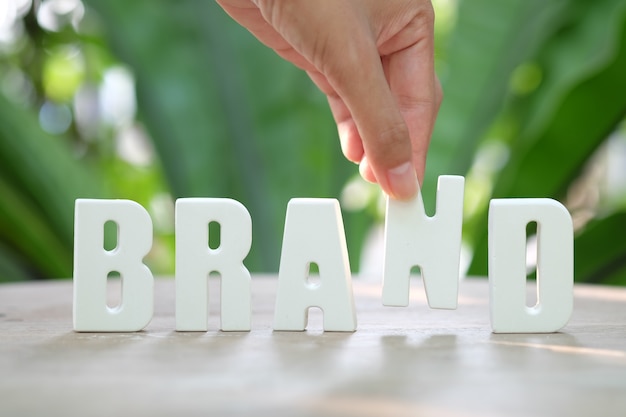
Branding is the foundation of a business’s identity and perception in the market.
It represents how a company wants to be seen by its target audience and how customers emotionally connect with the brand.
Unlike marketing efforts, which focus on promoting products or services, branding focuses on creating a strong brand identity that resonates with consumers.
Several key elements shape a company’s brand identity:
- Logo and Visual Identity – A recognizable logo, color scheme, and design elements that distinguish a brand from competitors.
- Brand Voice and Messaging – The tone and language used in communication, whether professional, friendly, or playful.
- Core Values and Mission – The beliefs and purpose that drive a company’s decisions and customer relationships.
- Customer Experience – The way a brand interacts with customers through products, services, and support.
Promotional Products You Can Use For Your Business Brand Identity
Custom Branded Apparel

- Custom T-shirts, hats, and jackets with your logo or brand message are excellent for promoting your business at events or in everyday interactions. These products help create a strong visual identity and are an effective part of your marketing campaigns.
- Example: Custom T-shirts – Perfect for employees, giveaways, or as part of a branded uniform for events.
Personalized Drinkware

- Items like Custom mugs, water bottles, and tumblers are practical items that keep your brand visible every day. These can be used as promotional giveaways during marketing tactics like trade shows, or as part of customer loyalty programs.
- Example: Custom Water Bottles – A great tool for staying top-of-mind, these bottles can showcase your logo and brand message.
Branded Office Supplies
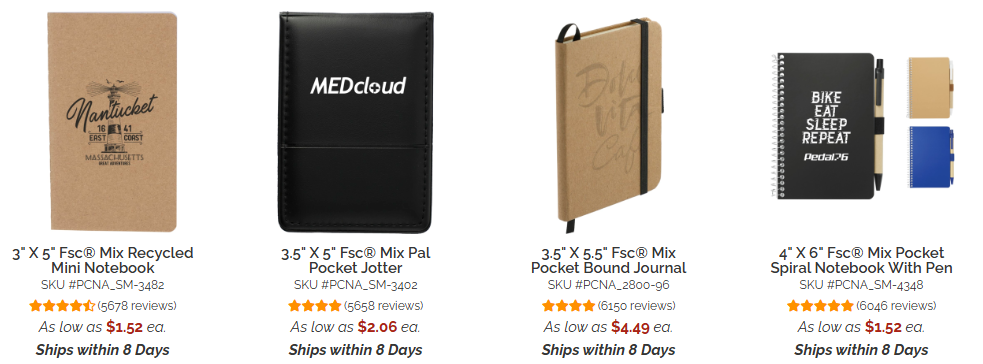
- Custom notebooks, pens, and desk organizers are everyday essentials that keep your brand in front of clients, customers, and employees. These items reinforce your brand identity while providing functional value.
- Example: Custom Notebooks and Pens – Ideal for gifting or for use in meetings to keep your brand front and center.
Custom Tote Bags

- Tote bags are a great way to create a strong brand identity while offering a practical gift that customers will use regularly. With your logo printed on the bag, your business gets constant exposure.
- Example: Custom Tote Bags – A popular promotional product, especially at trade shows, conferences, and retail stores.
Promotional Tech Gadgets
- Technology-based products like custom USB drives, wireless chargers, or Bluetooth speakers are trendy and functional items that not only attract attention but also demonstrate that your brand keeps up with modern trends.
- Example: Custom Bluetooth Speakers – A great tech gift that associates your brand with innovation and modern convenience.
A well-crafted brand strategy fosters brand loyalty by creating a sense of trust and familiarity.
Whether through a social media campaign, a consistent marketing branding approach, or an engaging marketing tactic, successful brands develop lasting emotional connections.
The Key Differences Between Marketing and Branding
Purpose and Focus
Marketing and branding serve different yet complementary roles in a company’s success.
Marketing is centered on driving sales and reaching the target customers through advertising, market research, and various strategies.
It aims to increase sales by promoting services or products effectively.
On the other hand, branding is about defining a company’s unique identity and ensuring long-term recognition.
It goes beyond marketing efforts by establishing strong brand imagery that resonates with the audience.
Building awareness and trust among customers is a key function of branding, making it essential for lasting success.
Short-Term vs. Long-Term Impact
Marketing delivers immediate results by implementing strategies such as campaigns, promotions, and advertisements that attract potential buyers.
These efforts focus on competitors, pricing, and consumer trends to increase sales quickly.
In contrast, branding is a long-term investment that fosters loyalty and a strong reputation.
A well-crafted brand strategy ensures that even when marketing campaigns change, the company’s identity remains consistent.
Branding efforts create a lasting connection with customers, making them more likely to choose a brand repeatedly over its competitors.
Tactical vs. Strategic Approach
Marketing is tactical, utilizing tools like social media, email campaigns, and paid advertisements to reach and engage target customers.
It continuously adapts based on market research and consumer behaviors to attract more buyers.
Branding, however, takes a strategic approach, ensuring that all marketing efforts align with a cohesive brand message.
A strong brand creates consistency, helping businesses stand out by fostering trust and reliability among customers.
Effective branding ensures that a company’s services and messaging remain recognizable, reinforcing long-term loyalty.
How Marketing and Branding Work Together

Marketing and branding are interconnected, working in tandem to create a cohesive business strategy.
While marketing focuses on promoting products and services through various marketing methods like digital marketing, advertising, and social media campaigns, branding creates a strong brand identity that fosters recognition, trust, and loyalty.
A Strong Brand Enhances Marketing Effectiveness
A strong brand identity ensures that all marketing efforts resonate with the target audience.
When branding is well-established, it provides a foundation for a good marketing campaign, helping businesses communicate their values, mission, and unique selling points.
A well-defined brand personality makes it easier to attract and retain potential customers by fostering a connection beyond just products or services.
At Imprint, businesses can strengthen their branding and marketing efforts with custom promotional products.
Branded merchandise such as custom t-shirts, mugs, and tote bags helps companies reinforce their brand stand in the market while supporting marketing outreach efforts.
Key Differences and the Power of Integration
While marketing drives sales and outreach, branding helps define how a business is perceived.
Understanding the key differences between the two and leveraging them effectively can lead to a more successful and recognizable brand.
By integrating a strong branding strategy with a good marketing campaign, businesses can elevate their presence and build lasting customer relationships.
Common Mistakes Businesses Make

In the realm of branding vs. marketing, businesses often make critical mistakes that can hinder their growth and impact.
Understanding the distinction and interconnection between branding and marketing is essential for a company’s long-term success.
Here are some of the most common mistakes:
Overlooking Branding and Focusing Only on Marketing
Many businesses prioritize marketing over branding, believing that attracting immediate customers will ensure long-term success.
However, branding is the foundation upon which effective marketing strategies are built.
Branding creates a unique identity that resonates with the target audience, establishing emotional connections with consumers.
Without a strong brand, marketing efforts can seem disjointed and fail to foster trust.
A company that overlooks branding may struggle to develop a consistent message, ultimately leading to confusion among its audience.
Inconsistent Branding Across Marketing Channels
Another common mistake is inconsistency in branding across different marketing channels.
Whether online or offline, consistency in visual elements, tone, messaging, and values is crucial to creating a unified brand presence.
When businesses fail to maintain consistency, they risk alienating their target audience and undermining the credibility of their services.
Consumers should immediately recognize your brand, regardless of the platform they encounter it on.
This includes maintaining consistent logos, colors, fonts, and key messaging to reflect your brand values consistently.
Not Aligning Marketing Efforts with Brand Values
A frequent error businesses make is executing marketing campaigns that do not align with their core brand values.
If marketing efforts do not reflect what the company stands for, it can confuse the audience and diminish trust.
It’s essential that branding and marketing work in harmony to communicate a consistent story about the company.
Whether focusing on SEO tactics, content creation, or advertisements, each marketing effort should reflect the company’s unique identity and resonate with the values that consumers identify with.
To avoid these mistakes, businesses need to develop a strong brand that clearly communicates its unique identity and values.
Once that foundation is in place, marketing efforts should align with that identity to build a strong connection with consumers.
The key is to understand that branding vs. marketing is not an either/or situation – both are necessary for long-term success.
Conclusion:
In conclusion, while marketing and branding may seem similar, they serve distinct roles in shaping the success of a business.
Marketing drives immediate sales and attracts potential customers through targeted campaigns, while branding focuses on creating a lasting identity, fostering trust, and building emotional connections with the audience.
Both are essential in a comprehensive strategy that ensures long-term success and customer loyalty.
By understanding the key differences between marketing and branding, businesses can avoid common pitfalls and leverage both to enhance their market position.
At Imprint, we offer a range of promotional products that help businesses strengthen their branding and marketing efforts, ensuring they leave a lasting impression on their customers.
Remember, a strong brand forms the foundation for effective marketing, and when both are aligned, businesses can achieve greater visibility and growth.
Strengthen your brand with Imprint!
Ready to boost your marketing efforts? At Imprint.com, we offer a wide range of custom promotional products that can help enhance your brand identity and drive marketing success.
From branded apparel to personalized office supplies, our high-quality products support your business in creating lasting impressions and building strong customer relationships.
Explore our collection today and start elevating your brand and marketing strategy!
Resources:
Branding Vs Marketing: What’s the Difference? www.kantar.com/north-america/inspiration/brands/branding-versus-marketing-whats-the-difference.
Kloot, Laura. “Understanding the Difference Branding and Marketing.” Outbrain, 18 June 2024, www.outbrain.com/blog/branding-vs-marketing-understanding-the-difference.