
A Beginner’s Guide to Pickleball Sport in the US: Everything You Need to Know
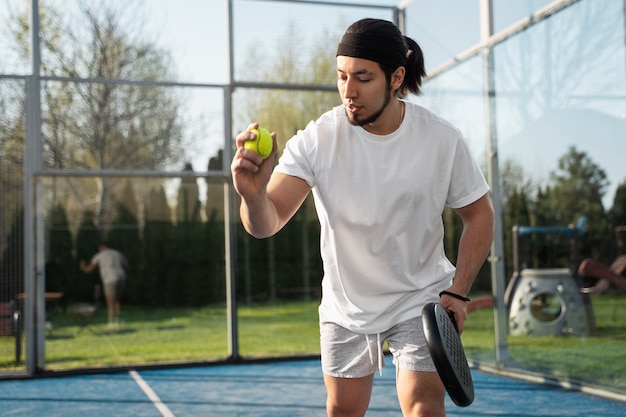
Do you find yourself hunting for a beginner’s guide to Pickleball Sport? Well, you are in the right place.
Pickleball has rapidly become one of the fastest-growing sports in the United States, attracting players of all ages and skill levels.
This exciting new game combines elements of tennis, badminton, and ping pong, offering a fun and accessible way to stay active.
With its simple rules and easy-to-learn gameplay, pickleball for beginners is an excellent choice for anyone looking to enjoy a social and competitive sport.
One of the key reasons for pickleball’s widespread popularity is its inclusivity.
Whether you’re a young athlete, a casual weekend player, or exploring pickleball for seniors, this sport provides numerous health benefits, including improved cardiovascular fitness, agility, and hand-eye coordination.
Additionally, the availability of well-maintained pickleball courts near me makes it easier than ever to get started.
In this beginner’s guide to pickleball, we’ll cover everything you need to know, including how to play pickleball, essential pickleball rules, and the different pickleball paddle types to help you choose the right equipment.
We’ll also explore the importance of quality pickleball equipment and how products from Imprint.com can enhance your playing experience.
Whether you’re gearing up for a friendly match or looking to compete, this guide will set you on the path to mastering the game. Let’s dive in!
What is Pickleball?
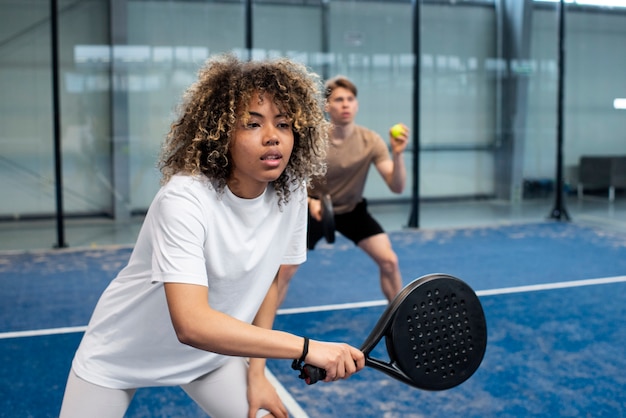
Pickleball is a dynamic paddle sport that uniquely blends elements of tennis, badminton, and ping-pong, creating an engaging and accessible game for players of all ages.
Originating in 1965 on Bainbridge Island, Washington, it was conceived by Joel Pritchard, Bill Bell, and Barney McCallum as a backyard pastime to entertain their families.
The name “pickleball” has dual attributions: some suggest it was named after Pritchard’s dog, Pickles, who would chase the ball, while others believe it refers to the “pickle boat” in rowing—a term for a crew composed of leftover oarsmen.
The game is played on a court similar in size to a doubles badminton court, measuring 20 by 44 feet, with a net lowered to 34 inches at each side of the court center.
Players use solid paddles to hit a perforated plastic ball, resembling a wiffle ball, over the net.
The sport incorporates the underhand serve from badminton, the volley serve techniques of tennis, and the quick exchanges found in ping-pong, resulting in a fast-paced and strategic game.
One of the fundamental rules that makes pickleball distinctive is the “Two-Bounce Rule.” This rule mandates that the ball must bounce once on each side of the net before players are allowed to volley (hit the ball in the air without letting it bounce).
Specifically, when the ball is served, the receiving team must let it bounce before returning, the ball bounces, and then the serving team must let it bounce before returning, thus two bounces.
After these initial bounces, the ball can then drop serve and be either volleyed or played off a bounce. This rule eliminates the first serve and volley advantage and extends rallies.
Basic Rules and How to Play
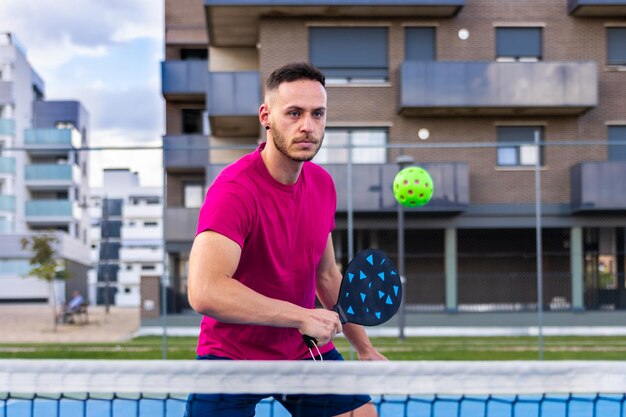
Pickleball is a dynamic and accessible sport that combines elements of tennis, badminton, and table tennis.
Understanding its basic rules and gameplay is essential for beginners aiming to enjoy and excel in the game.
Court Dimensions and Setup
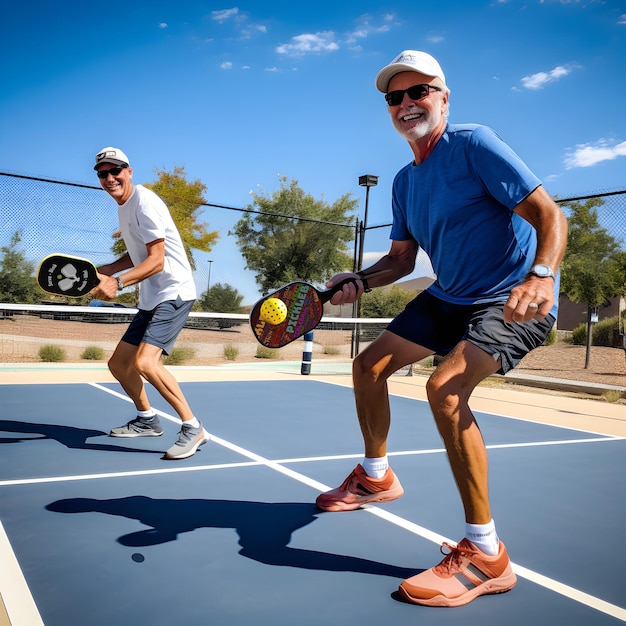
A standard pickleball singles court measures 20 feet in width and 44 feet in length, identical to a doubles badminton court.
The net is positioned at a height of 36 inches at the sidelines and 34 inches at the center.
Each side of the net features a 7-foot non-volley zone, commonly referred to as the “kitchen,” where players are prohibited from volleying the ball.
The remaining area is divided into right and left service courts by a centerline extending from the non-volley line to the baseline.
Serving Rules and Scoring System
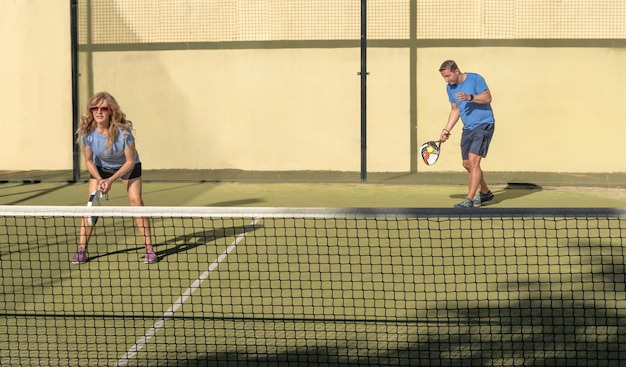
In pickleball, the serve is executed underhand, with the paddle making contact below the server’s waist.
The serve must be directed diagonally across the court, landing within the confines of the opposite diagonal service area.
Only one serve attempt is permitted per server. In doubles play, both players on the serving team have the opportunity to serve and score points until a fault is committed by first the server’s feet first.
The game is typically played to 11 points, and a team must win by a margin of two points.
Common Faults and Mistakes to Avoid
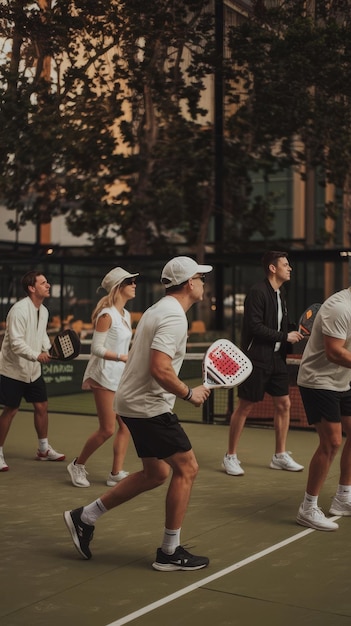
Beginners should be mindful of common faults to enhance their gameplay:
- Foot Faults: Stepping on or into the non-volley zone (kitchen) while volleying the ball is a fault. Ensure your momentum doesn’t carry you into this zone during play.
- Improper Serves: Failing to serve diagonally or not clearing the net results in a fault. Practice consistent serving techniques to avoid this mistake.
- Ignoring the Two-Bounce Rule: After the serve, the ball must bounce once on each side before players can engage in volleys. Neglecting this rule leads to faults.
- By familiarizing themselves with these fundamental aspects, beginners can confidently step onto the pickleball court and enjoy the engaging experience this sport offers.
Essential Equipment for Pickleball Beginners
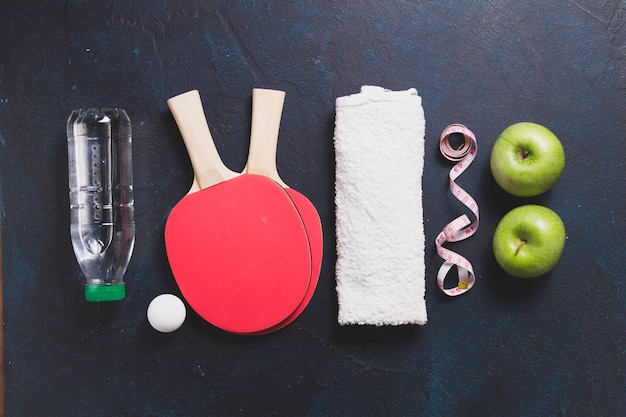
Embarking on your pickleball journey requires the right equipment to ensure both enjoyment and safety on the court.
Here’s a comprehensive guide to the essential gear for pickleball beginners:
Pickleball Paddles: Types, Materials, and Recommendations
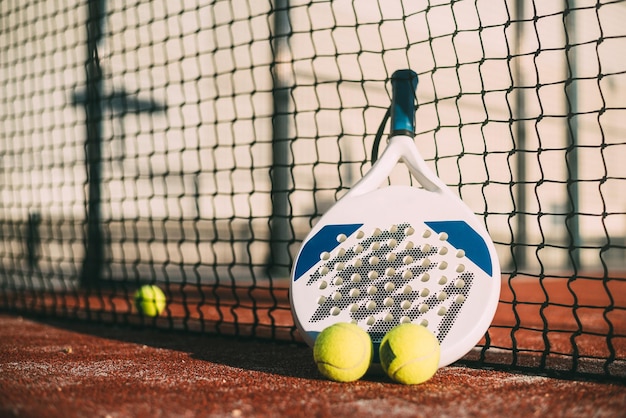
Pickleball paddles come in various materials, each affecting performance:
- Wood: Affordable and durable, but heavier, which may lead to fatigue.
- Composite: Made from fiberglass or carbon fiber with a core of aluminum or polymer, offering a balance between weight and power.
- Graphite: Lightweight and strong, providing excellent control and precision.
For beginners, a composite paddle is often recommended due to its balanced performance.
The Niupipo Pickleball Paddle Set, for instance, includes two lightweight fiberglass paddles with honeycomb polymer cores, making it suitable for newcomers.
Pickleballs: Indoor vs. Outdoor Balls
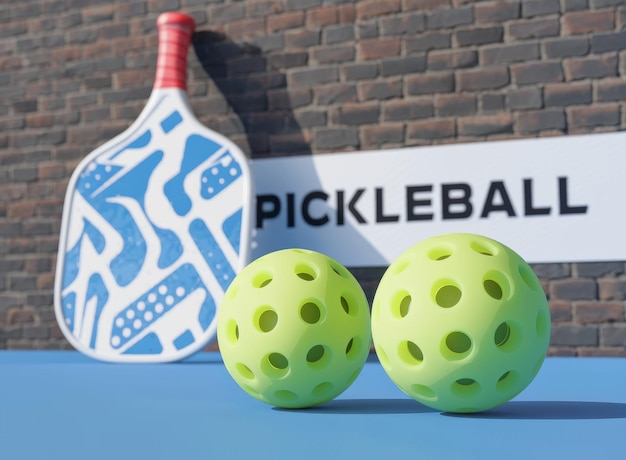
Pickleballs are designed differently for indoor and outdoor play:
- Indoor Balls: Softer with larger holes, providing better control and a slower pace.
- Outdoor Balls: Harder with smaller holes to withstand wind and rough surfaces, resulting in a faster game.
Choosing the appropriate ball enhances your playing experience based on the environment.
Proper Footwear and Attire for Comfort and Safety
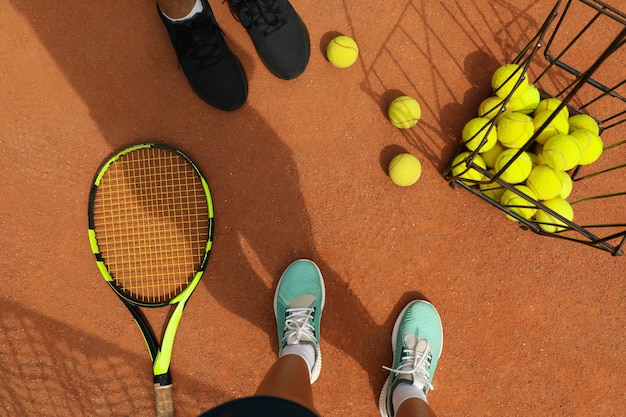
Wearing the right gear ensures comfort and reduces the risk of injury:
- Footwear: Opt for court shoes with non-marking soles that offer lateral support, essential for quick side-to-side movements in pickleball. The Asics Gel-Dedicate 8, for example, is recommended for its support and cushioning.
- Attire: Choose moisture-wicking fabrics to keep you dry. Lightweight, breathable clothing allows for unrestricted movement, enhancing performance.
Equipping the opposing team and yourself with the appropriate gear not only boosts your confidence but also lays a solid foundation for your pickleball journey.
Finding a Pickleball Court in the US
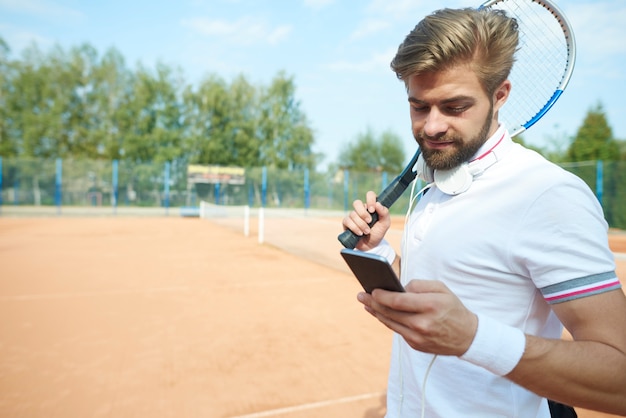
Finding a pickleball court in the U.S. has become increasingly convenient due to the sport’s rapid growth and the availability of comprehensive resources.
How to Locate Nearby Courts
The USA Pickleball Association has partnered with Pickleheads to provide an excellent resource for locating places to play pickleball. You can access this tool through the USA Pickleball website.
Additionally, the USA Pickleball Places2Play app is available for mobile devices, allowing you to find places to play pickleball around the world.
Public vs. Private Facilities
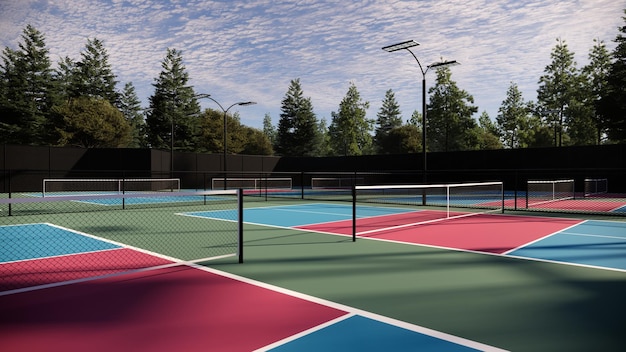
Pickleball courts are available in both public and private settings, each offering distinct advantages:
- Public Facilities: Often found in community parks and recreation centers, public courts are typically free or require a minimal fee. They provide open access to players of all levels and foster a community atmosphere. However, availability can be limited during peak times due to high demand.
- Private Facilities: Private clubs or sports complexes may offer pickleball courts with amenities such as equipment rentals, coaching, and organized events. These facilities often require membership or court fees but can provide a more structured environment with guaranteed court availability. For example, some private clubs have converted tennis courts to accommodate the growing number of pickleball players.
How to Join Local Leagues and Tournaments
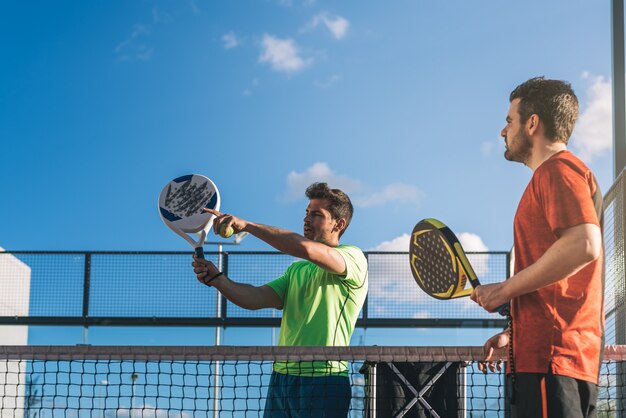
Engaging in local leagues tournament games, and tournaments is an excellent way to improve your skills and connect with other pickleball enthusiasts:
- Local Clubs: Joining a local pickleball club can provide access to organized play, coaching, and social events. The USA Pickleball Association maintains a list of clubs across the U.S. and Canada.
- Online Platforms: Websites like Pickleheads not only help you find courts but also allow you to connect with local groups, schedule games, and join leagues.
- Community Centers and Parks: Many community centers and parks organize pickleball leagues and tournaments. Check with your local recreation department for schedules and registration details.
By utilizing these resources, you can easily find suitable courts and become an active participant in the vibrant pickleball community across the United States.
Benefits of Playing Pickleball
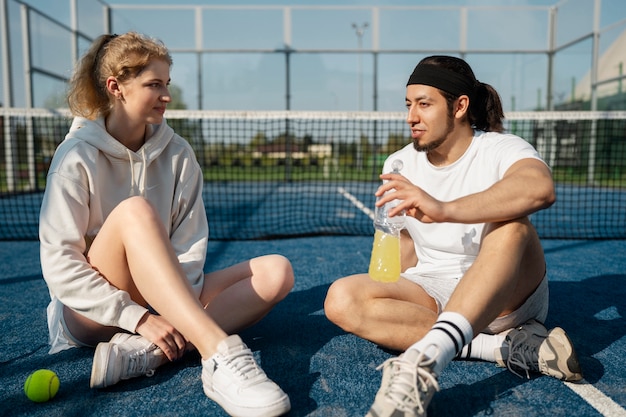
Pickleball, a rapidly growing sport in the U.S., offers a multitude of benefits that cater to players of all ages and skill levels.
Combining elements of tennis, badminton, and ping-pong, it provides a comprehensive workout that enhances both physical and mental well-being.
Health Benefits
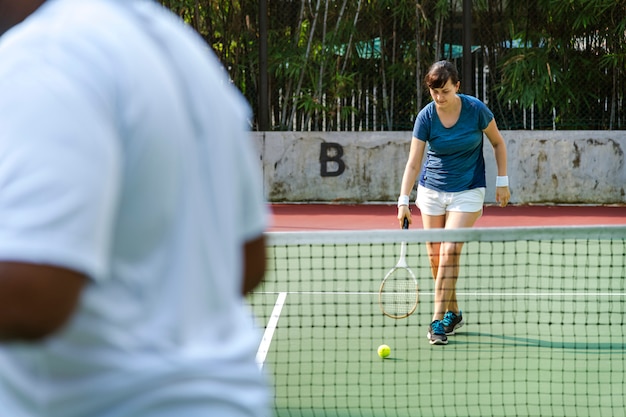
- Cardiovascular Health: Engaging in pickleball elevates your heart rate, promoting cardiovascular fitness. Regular play can lead to improved heart health, better cholesterol levels, and regulated blood pressure, thereby reducing the risk of heart disease.
- Joint Health and Flexibility: The low-impact nature of pickleball makes it gentle on the joints, which is particularly beneficial for individuals with arthritis or joint concerns. The dynamic movements involved help maintain joint flexibility and range of motion, reducing stiffness.
- Muscle Strength and Endurance: Playing pickleball engages various muscle groups, including the legs, arms, shoulders, and core. The repetitive motions of swinging the paddle and moving around the court contribute to increased muscle tone and strength, enhancing overall physical endurance.
- Balance and Coordination: The sport requires quick lateral movements and hand-eye coordination, which can improve balance and agility. This is especially important for older adults to prevent falls and maintain independence.
- Mental Well-being: Participating in pickleball stimulates the release of endorphins, reducing stress and promoting a positive mood. The strategic aspects of the game also enhance cognitive functions such as focus and quick decision-making.
Ideal for All Age Groups, Especially Seniors
Pickleball’s appeal spans across age groups due to its adaptable pace and low-impact nature.
For seniors, it offers a way to stay active without putting undue stress on the body.
The smaller court size and underhand serves minimize the risk of injury, making it an excellent choice for older adults seeking to maintain their fitness levels.
Mental and Strategic Benefits
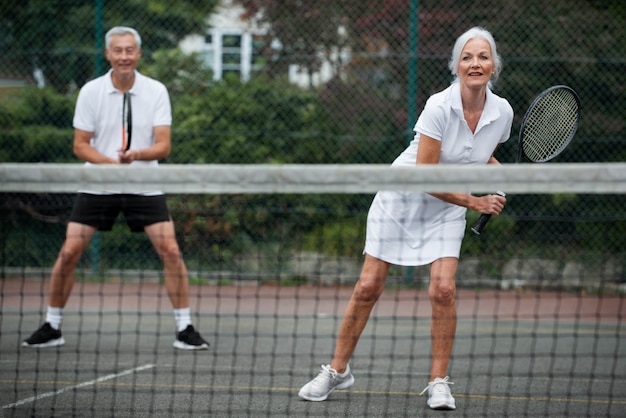
Beyond physical advantages, pickleball enhances mental acuity.
Players must anticipate opponents’ moves, strategize shot placement, and react swiftly, all of which sharpen cognitive skills.
The game’s strategic elements require concentration and tactical thinking, contributing to improved mental sharpness.
Incorporating pickleball into your routine not only supports physical health but also fosters social connections and mental well-being, making it a holistic activity suitable for everyone.
Must-Have Promotional Products for Pickleball Players
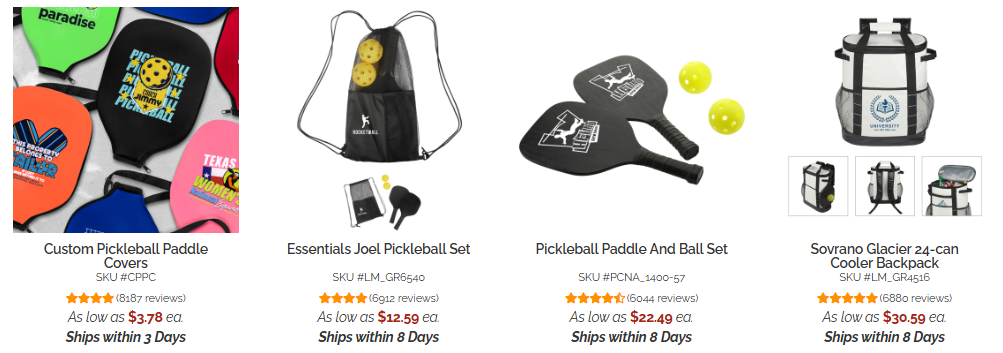
Pickleball, a sport that combines elements of tennis, badminton, and ping pong, has surged in popularity across the United States.
Whether you’re a seasoned player or just starting out, having all the racket sports in the right gear can enhance your game and overall experience.
Here are some must-have promotional products for pickleball players:
Custom Pickleball Paddles Covers
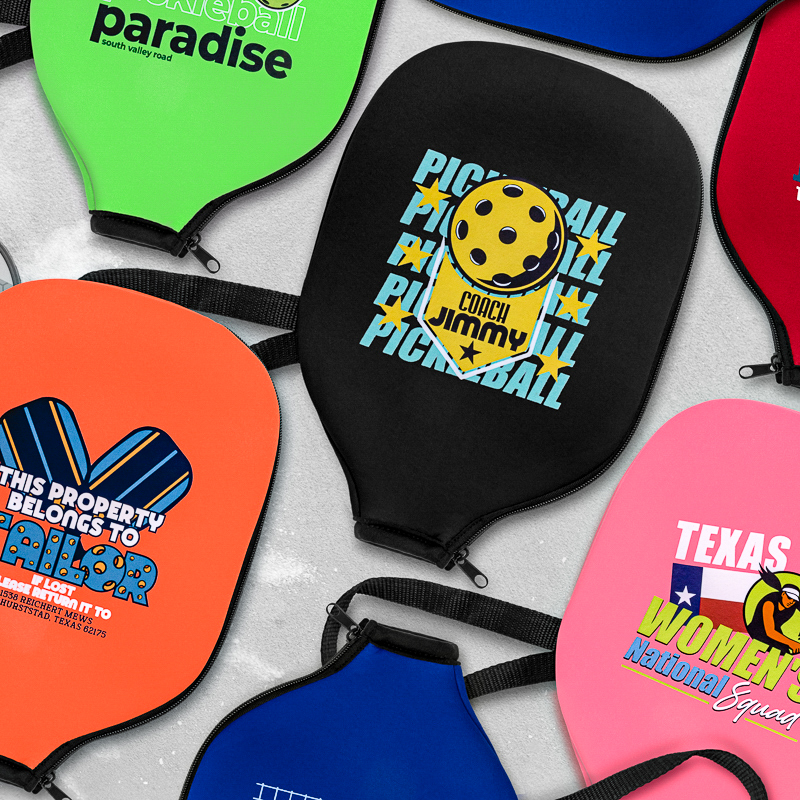
A high-quality paddle is essential for any pickleball game.
Custom pickle paddle covers featuring your club’s logo or a unique design not only provide a personal touch but also ensure players have the best equipment.
These paddles are perfect for clubs, tournaments, and promotional giveaways.
Sports Water Bottles
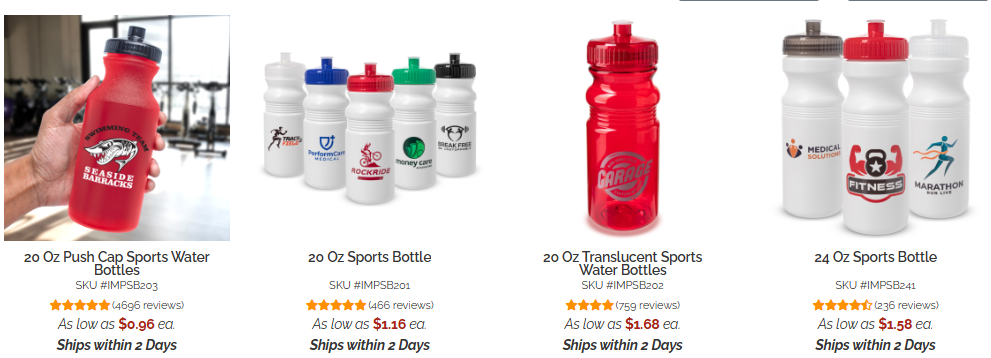
Staying hydrated is crucial during intense matches.
Having a sports water bottles with your team’s branding keep players refreshed and serve as effective promotional items.
They are practical, reusable, and can be used both on and off the court.
Branded Sports Towels
Branded sports towels are essential for staying dry and comfortable during games.
They can be customized with your or other team name’s logo or colors, adding a professional touch to your team’s appearance.
Custom Drawstring Bags
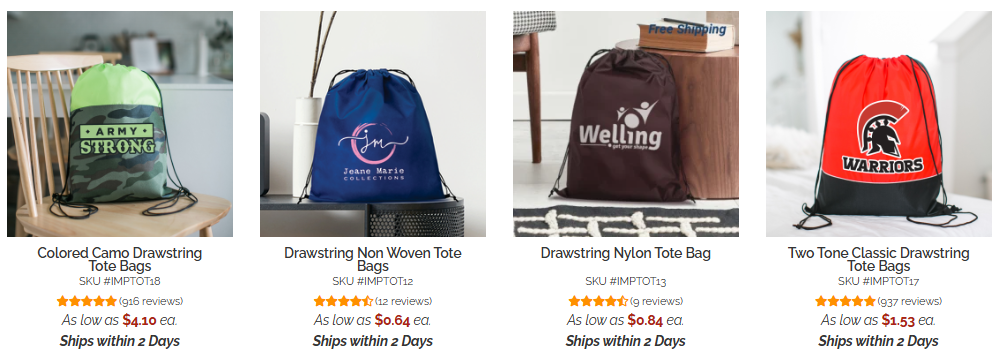
Convenient for carrying gear, custom drawstring bags are lightweight and easy to transport.
They can be personalized with your team’s logo, providing a cohesive look for players and serving as effective promotional items.
Logo-Printed Apparel (T-Shirts, Caps, and Jerseys)
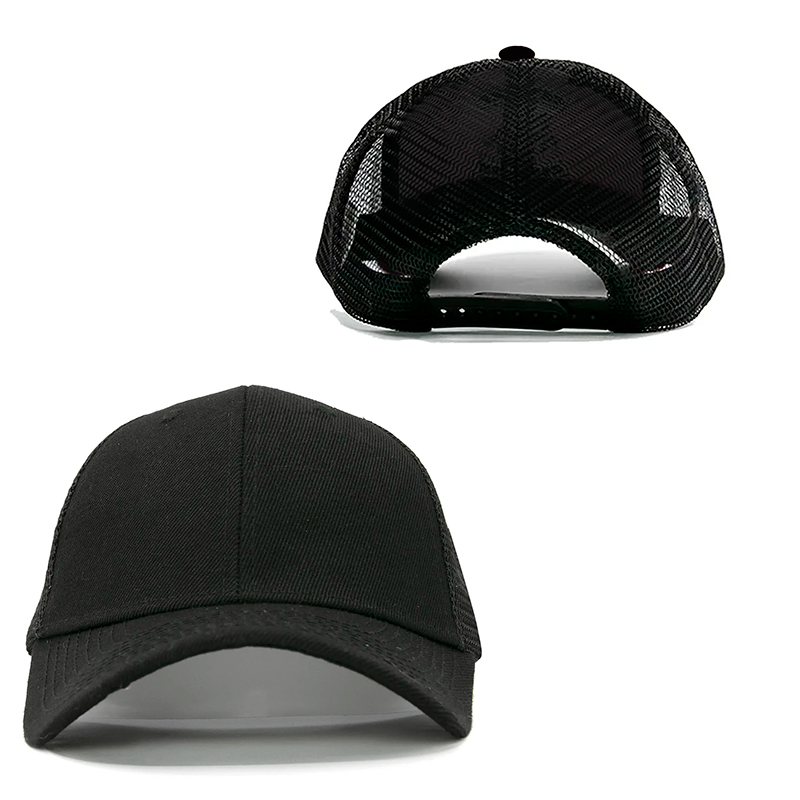
Boost team spirit and brand exposure with logo-printed apparel such as T-shirts, caps, and jerseys.
Wearing coordinated gear fosters a sense of unity among players and promotes your brand both on and off the court.
Engraved Pickleball Trophies & Medals
Ideal for rewarding tournament winners, engraved pickleball trophies and medals add prestige to any competition.
They can be customized with event details and are cherished keepsakes for players.
Incorporating these promotional products into your pickleball activities not only enhances the playing experience but also promotes your brand effectively.
Whether you’re organizing a local tournament or looking to boost team morale, these items are both practical and promotional.
Tips for Improving Your Pickleball Game
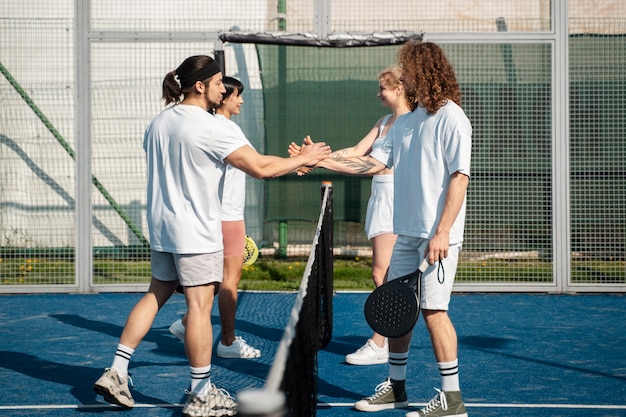
Improving your pickleball game involves consistent practice, strategic play, and understanding common pitfalls.
Here are some tips to enhance your skills:
Beginner Drills to Enhance Skills
- Dinking Practice: Focus on soft shots just over the net, aiming to keep the ball within the non-volley zone (kitchen). This helps control the ball and set up offensive plays.
- Third Shot Drop: After the serve and return, practice the third shot drop to land the ball softly in the opponent’s non-volley zone. This tactic neutralizes the server’s advantage and allows you to advance to the net.
- Volley Drills: Work on quick reflexes by volleying the ball back and forth without letting it bounce. This improves reaction time and net play.
Strategies for Doubles and Singles Play
- Doubles Play:
- Positioning: Maintain a side-by-side formation near the non-volley line to cover the court effectively.
- Communication: Use clear signals or calls to avoid confusion on shot selection.
- Targeting: Aim shots at the opponent’s feet to make returns more challenging.
- Singles Play:
- Serve Deep: Start with a deep serve to push your opponent behind the baseline, gaining control of the rally.
- Court Coverage: Anticipate your opponent’s shots and position yourself to cover the entire court.
- Shot Selection: Mix up your shots with varying speeds and placements to keep your opponent guessing.
Common Mistakes to Avoid
- Incorrect Grip: Using a poor paddle grip can lead to weak shots and less control. Adopt the “shake hands” grip for a better balance between power and control.
- Standing Too Close to the Net: Positioning yourself too near the net leaves you vulnerable to lobs and quick returns. Maintain a distance of about three to four feet behind the non-volley line to react effectively.
- Neglecting the Non-Volley Zone: Misunderstanding the kitchen line rules can result in faults. Remember, you can step into the non-volley zone to hit a ball that has bounced but cannot volley from within it.
- Overhitting: Attempting powerful shots without control can lead to errors. Focus on accuracy and consistency rather than sheer power.
- Ignoring the Bounce Rule: The two-bounce rule requires the ball to bounce once on each side before volleys are allowed. Overlooking this can result in faults.
By incorporating these drills, and strategies, and being mindful of common mistakes, you can enhance your pickleball skills and enjoy the game more effectively.
How to Get Involved in the Pickleball Community
Engaging with the pickleball community in the United States offers numerous opportunities for enthusiasts to connect, learn, and compete. Here’s how you can get involved:
Joining Pickleball Clubs and Associations
Becoming a member of a local pickleball club or association is an excellent way to immerse yourself in the sport.
These organizations provide access to courts, equipment, and a network of players of varying skill levels.
USA Pickleball, the national governing body for the sport, maintains a comprehensive directory of clubs across the U.S.
Many clubs offer beginner-friendly sessions, making it easier for newcomers to learn the basic rules and etiquette of the game.
Participating in these sessions can help you understand fundamental aspects such as the two-bounce rule, non-volley zone, and scoring system.
Attending Pickleball Events and Tournaments
Attending pickleball events and tournaments is a fantastic way to experience the sport’s competitive spirit and community atmosphere.
Events like the U.S. Open Pickleball Championships in Naples, Florida, attract thousands of players and spectators annually, featuring various skill levels and age groups.
For those interested in competitive pickleball scoring and play, organizations like the Professional Pickleball Association (PPA) and the Amateur Pickleball Association (APA) host tournaments across the country.
These events cater to different skill levels, allowing players to test their abilities and gain valuable experience.
Participating in these tournaments can enhance your understanding of the sport’s rules, including the serving team’s score, the importance of the second server serving diagonally to the opposite service court, and the concept of only one serve per point.
By joining local clubs and attending events, you can deepen your knowledge of pickleball, improve your play style, and become an active member of the vibrant pickleball community in the U.S.
Engaging with online forums and social media groups.
Conclusions:
In conclusion, pickleball has quickly become one of the fastest-growing racket sports in the U.S., offering an engaging and accessible way for people of all ages to stay active. Whether you are a beginner learning the basic rules or an experienced player refining your play style, this sport offers a fantastic balance of fun and fitness.
By understanding the importance of pickleball gear like paddles and balls, as well as the essential rules such as the two-bounce rule and the non-volley zone, you’ll be equipped to enjoy the game confidently. Whether you’re playing singles or doubles, the simple yet strategic gameplay and inclusive community make pickleball a thrilling experience for everyone.
As you continue to explore this exciting sport, remember that a key aspect of success is knowing the pickleball scoring system, staying mindful of the court rules, and practicing your skills. So, grab your pickleball paddle, get on the court, and join the millions of people already embracing this incredible sport!
Get Ready to Play Pickleball with Imprint!

Whether you’re just starting or looking to upgrade your pickleball gear, Imprint has everything you need to enhance your game. From custom paddles and sports towels to branded apparel and accessories, you’ll find high-quality products perfect for tournaments, clubs, and personal use.
Shop now at Imprint.com and take your pickleball experience to the next level!
Resources:
Lee, G. (2023, March 16). The Beginner’s Guide to Pickleball: Everything you need to know – sports illustrated pickleball news, analysis, and more. Dink It Over on SI. https://pickleball.si.com/guides/the-beginners-guide-to-pickleball-everything-you-need-to-know