

It is not always the case that the colors on a lanyard have any significance at all. However, under certain circumstances, these colors might bear meaning. There is of course no standardized system for assigning meanings to lanyards of various colors. However, given how popular lanyards are, and the fair chances that you might end up using one soon, it would be helpful to explore what the colors on a lanyard might mean.
So, here are some common ways a lanyard’s color might bear significance.
Identification
Lanyards are used for identification purposes in so many settings. Different colors may be used to signify different roles, departments or levels of access within an organization. A light blue lanyard, for example, might be used to signify regular employees, while red lanyards may be worn by managers or supervisors.
Different colors might also be assigned to specific departments or teams. This helps coworkers and visitors quickly identify which department an individual belongs to. This goes a long way in aiding communication and navigation within a large organization.
Security Levels
In some environments, such as hospitals or government facilities, lanyard colors may indicate different security levels or clearance levels. This practice helps to control and manage security protocols and ensure that individuals are authorized to access specific areas or information – so long as they keep the lanyard on their person.
For instance, employees with a red lanyard might have higher security clearance and access to sensitive areas, while those with yellow or purple lanyards might have more restricted access. A system like this could be especially useful within organizations dealing with sensitive or classified information. That way, color-coded lanyards can be used to indicate individuals who may or may not be authorized to handle said information.
Event Passes
Event passes with different-colored lanyards are a practical way to distinguish between various attendee categories or ticket tiers during conferences, concerts and other such gatherings. This helps event organizers manage crowd flow, provide appropriate access and enhance the overall attendee experience.
In a scenario such as this, event passes could be attached to lanyards with colors corresponding to different tiers. For example, gold, silver, and bronze lanyards might indicate premium, standard and basic ticket categories, respectively. Because of how widely used custom lanyards are, those three colors can be infinitely expanded to match however many tiers the organizers deem necessary.
Branding and Promotion
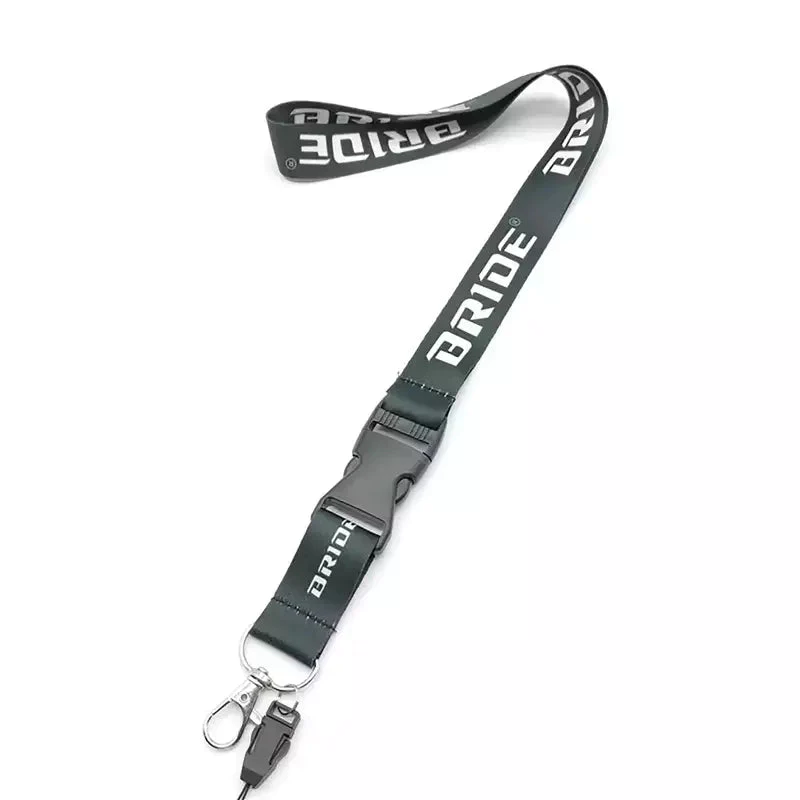
Branding and promotion can also play a significant role in the use of colors on lanyards. Because, not only are lanyards cheap yet very functional accessories, they are also effective as tools for marketing a brand and creating a sense of unity among its representatives.
Indeed colors on a lanyard can be carefully chosen to match the brand’s color palette and logo. This consistent branding helps reinforce brand identity and recognition. Lanyards, by design, also offer a visible and accessible space for displaying logos, slogans or event names. Using colors that complement the logo ensures that the branding stands out.
Team Identification
In sports or group events, teams may have lanyards in their agreed colors, making it easy to identify members and supporters of each team. Different teams, departments or groups within an organization can be assigned specific lanyard colors to differentiate them from each other. This makes it easy to identify team members at a glance.
More importantly, it goes a long way in fostering a sense of belonging and camaraderie among team members. Same colors mean same goals, and team members with the same colored lanyards would be motivated act accordingly. What’s more: team-colored lanyards make it easy for individuals to identify and connect with colleagues from the same team.
Awareness and Causes
Lanyards in specific colors may be used to raise awareness for various causes or social campaigns. This practice helps draw attention to important matters and signifies support for specific causes. For example, pink lanyards are often associated with breast cancer awareness, while red lanyards often represents HIV/AIDS awareness.
The color chosen is often linked to the cause’s logo or a universally recognized color. Among other benefits, this has the capacity to streamline and unite a cause’s push for recognition and action. This, in addition to aiding community building, as people wearing lanyards of the same color display their solidarity and create a sense of community with others who might support the same cause
Safety or Emergency Roles
Color-coded lanyards can also play a crucial part in identifying emergency roles during events or within an organization. They help ensure that individuals with specific responsibilities are easily recognizable and can respond effectively during critical situations. In some scenarios, such as during emergency drills or real incidents, a lanyard of a specific color may indicate roles such as a first responder or medical personnel – much like a badge would. This allows event attendees or staff to quickly identify those who can provide immediate assistance in the case of an emergency.
Personalization
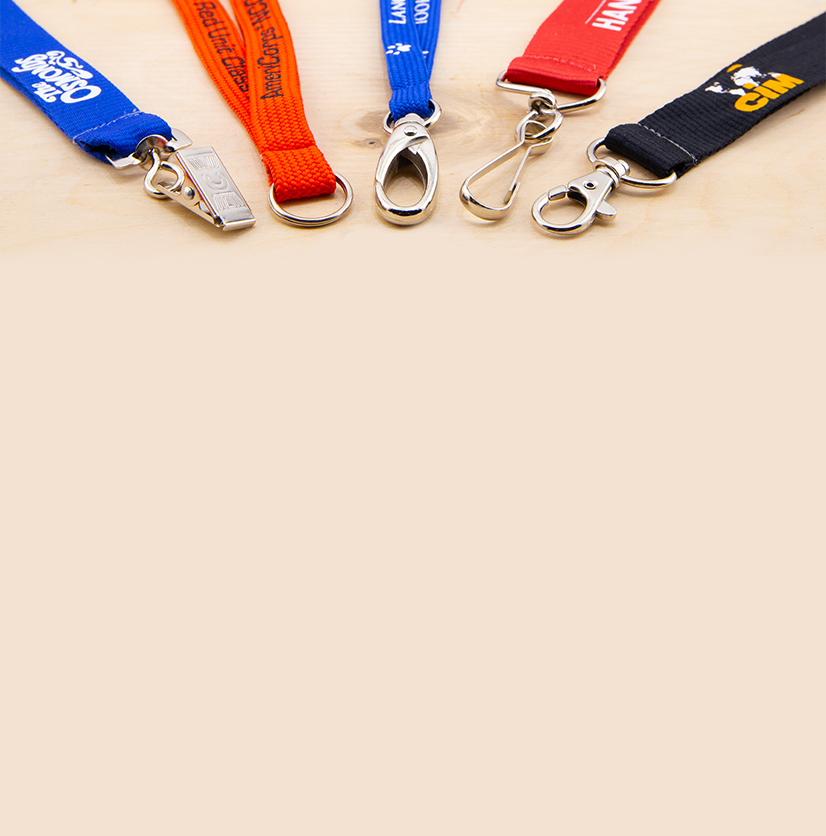
Personalization when it comes to lanyard colors allows individuals to create a look that reflects their style, preferences or affiliations. Personalized lanyard colors may be chosen to match personal branding or simply add a touch of individuality to your style. No matter the color that carries significance for you – be it green, orange or purple – there is a lanyard that matches it.
Thus, individuals can order custom lanyards that reflect their mood, preferences or outfit choices. This adds a personal touch to the lanyard, turning it from just any accessory to something personal and meaningful. Custom lanyards can be tweaked in this way to bear the wearer’s name, initials or a short message that makes it uniquely theirs.