
- All Products
- Apparel
- Auto, Home & Tools
- Awareness
- Bags
- Clearance
- Drinkware
- Event Decor
- Face On It
- Food & Candy
- Hats
- Holidays
- Keychains
- Lanyards & Badges
- Office & Awards
- Outdoor & Leisure
- Paper Printing
- Pins, Buttons & Patches
- Print Supplies
- Shipping Supplies
- Technology
- Toys & Novelty
- Trade Show & Signage
- Wellness & Safety
- Wristbands
- Writing
Custom Business Card Printing
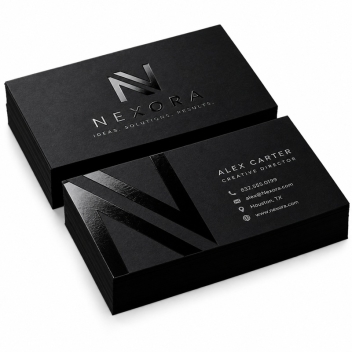
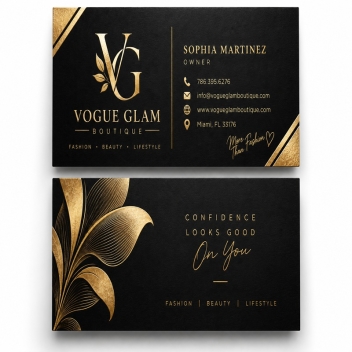
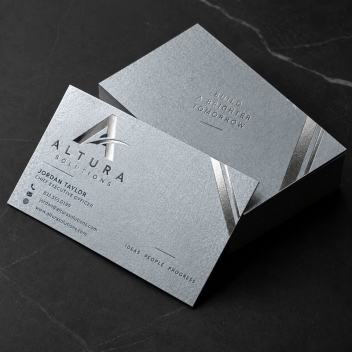
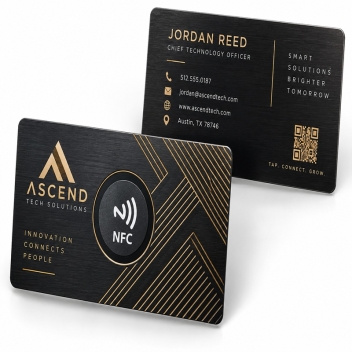
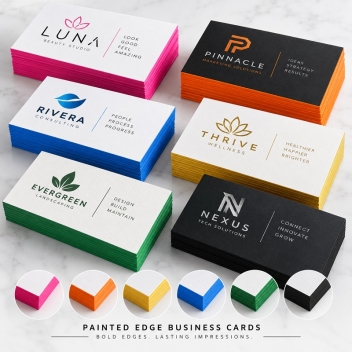
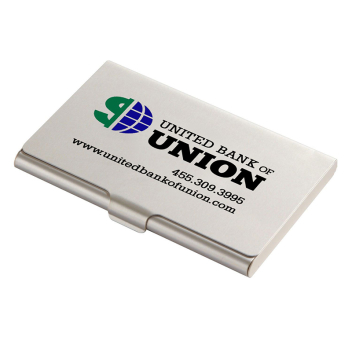
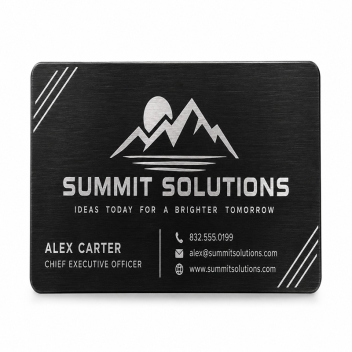
Custom Business Cards & Business Card Printing
Create professional custom business cards that make it easy to share your name, company, contact information, and brand wherever business takes you. Imprint offers personalized business card printing for businesses, employees, entrepreneurs, sales teams, freelancers, and organizations that need an easy way to introduce themselves and stay memorable.
Customize your business cards with your company logo, brand colors, contact details, and your own design. Whether you're preparing for everyday client meetings, networking events, conferences, trade shows, or a new business launch, personalized business cards give people a convenient way to remember you and get in touch.
What Are Custom Business Cards?
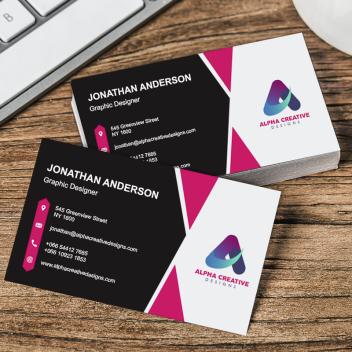
Custom business cards are personalized cards printed with identifying and contact information for a person, business, or organization. A typical business card includes a name, job title, company name, phone number, email address, website, and logo.
Business cards are commonly exchanged during introductions, sales meetings, networking events, conferences, trade shows, and other professional interactions.
A well-designed card serves two purposes: it gives the recipient your essential contact information and provides a small, portable representation of your brand.
Why Use Personalized Business Cards?
Digital contact information is convenient, but printed business cards provide something physical that customers and professional contacts can keep.
Businesses and professionals use custom business cards to:
- Share contact information quickly
- Introduce a company or personal brand
- Give customers an easy way to reconnect
- Provide contact details at networking events
- Support sales and business development
- Equip employees with consistent branded materials
- Create a professional first impression
- Promote websites and other business channels
They are especially useful when meeting someone in person and you want to exchange information without requiring them to immediately search for your company or enter your details into their phone.
Who Uses Business Cards?
Business cards can be useful for almost any professional who regularly meets customers, clients, prospects, partners, or other members of their industry.
Common users include:
Small business owners: Share company and contact information with potential customers.
Sales representatives: Give prospects an easy way to follow up after conversations and meetings.
Real estate professionals: Provide contact information to buyers, sellers, and potential clients.
Consultants and freelancers: Promote independent services while building a recognizable personal brand.
Contractors and service professionals: Leave contact information with customers for estimates, referrals, and future projects.
Restaurant and hospitality professionals: Share business information with customers, vendors, event planners, and partners.
Event and trade show teams: Distribute cards while networking with attendees and prospective customers.
Corporate employees: Maintain consistent company branding across customer-facing teams.
What Should You Put on a Business Card?
Most business cards should make the most important information immediately identifiable.
Consider including:
- Your full name
- Job title or role
- Company or organization name
- Company logo
- Phone number
- Professional email address
- Website
- Business address, when relevant
- Social media handle, when useful
- QR code, when appropriate
- Short tagline or description of your services
Avoid filling every available space simply because it is available. Prioritize the information someone will actually need to recognize you and contact you.
How to Design an Effective Business Card
Keep the Most Important Information Easy to Read
Your name and primary contact information should be easy to identify at a glance. Avoid excessively small text or decorative fonts that reduce readability.
Use Consistent Brand Elements
Include the same logo, colors, typography, and visual style used on your website and other marketing materials. Consistency makes your business easier to recognize.
Create a Clear Visual Hierarchy
Not every element needs equal emphasis. Your name or company name can be prominent, while secondary information such as an address or social profile can appear smaller.
Leave Enough Open Space
A simple layout can make important information easier to find. Avoid overcrowding the card with unnecessary text, graphics, or promotional messages.
Check Your Information Before Printing
Review names, phone numbers, email addresses, website URLs, and spelling carefully before approving your design.
Standard Business Card Size
A standard business card measures 3.5 × 2 inches, a familiar format designed to fit conveniently in wallets, card holders, and similar storage.
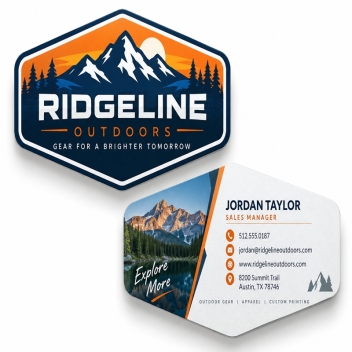
The horizontal format works well for traditional business card layouts containing a logo, name, title, and contact information.
Your preferred orientation ultimately depends on your branding and the amount of information you want to display.
Business Cards for Networking and Events
Business cards are particularly useful when attending:
- Conferences
- Trade shows
- Networking events
- Sales meetings
- Client meetings
- Business expos
- Community events
- Recruiting events
- Professional association meetings
Instead of asking a new contact to remember your name or immediately enter your details into a device, you can hand them a card they can reference later.
For businesses attending large events, ordering cards for multiple employees can also help create a consistent brand presentation across the team.
Business Cards for Small Businesses
For small businesses, business cards can serve as both contact cards and compact marketing materials.
Owners can hand them to prospective customers, include them with orders, leave them after service appointments, or provide them to customers who may want to recommend the business to someone else.
Consider including your business name, logo, primary contact method, website, and a short description of what your company does if the business name alone does not make that clear.
Business Cards for Employees and Teams
Organizations ordering business cards for multiple employees should establish a consistent template.
Keeping elements such as the company logo, brand colors, typography, and layout consistent helps create a unified appearance while allowing individual details such as employee names, job titles, phone numbers, and email addresses to change.
A reusable design can also make it easier to order cards when new employees join the organization.
Business Cards vs. Business Card Magnets
Traditional business cards and business card magnets can both display your company's contact information, but they are useful in different situations.
|
Feature |
Business Cards |
Business Card Magnets |
|
Best for |
Networking and introductions |
Long-term visibility |
|
Easy to carry |
Yes |
Yes |
|
Fits standard card holders |
Yes |
Depends on design |
|
Magnetic surface |
No |
Yes |
|
Good for handing out at events |
Excellent |
Good |
|
Useful for frequently referenced contact information |
Good |
Excellent |
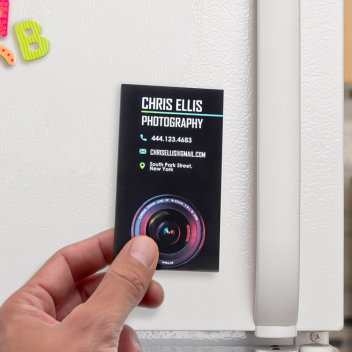
Traditional cards are generally the better option for professional introductions and networking. Business card magnets can be useful when you want customers to keep frequently needed contact information on a refrigerator, filing cabinet, or another magnetic surface.
How Many Business Cards Should You Order?
The right quantity depends on how frequently you distribute them.
A smaller quantity may make sense when:
- You recently changed your branding
- Your contact information may change
- You are testing a new design
- Only a few employees need cards
A larger quantity may be useful when:
- Your contact information is stable
- Multiple employees distribute cards regularly
- You attend frequent trade shows or networking events
- Cards are included with customer orders or marketing materials
Before placing a large order, verify that all names, phone numbers, email addresses, URLs, and branding elements are current.
Frequently Asked Questions About Business Cards
What is the standard business card size?
The standard business card size is 3.5 × 2 inches. This compact format is commonly used because it is convenient to carry and store in wallets and business card holders.
What information should be on a business card?
A business card typically includes your name, job title, company name, logo, phone number, email address, and website. Depending on your business, you may also include an address, QR code, social media information, or short tagline.
Do business cards still matter?
Business cards remain useful for face-to-face networking because they provide a fast, physical way to exchange professional and contact information. They are particularly convenient at meetings, conferences, trade shows, and other events where professionals meet many people.
Should I put a logo on my business card?
If you represent a business or organization, adding your logo can help connect the card with your company's visual identity. Use a clear version of the logo and leave enough surrounding space so it remains recognizable.
Should business cards be horizontal or vertical?
Either orientation can work. Horizontal business cards provide the familiar traditional format, while vertical layouts can create a different visual presentation. Choose the orientation that best accommodates your information and branding.
What font size should I use on a business card?
Business card text should be large enough to read comfortably when printed. The exact size depends on the typeface, but important information such as your name, phone number, and email address should never require effort to read.
Can I put a QR code on my business card?
Yes. A QR code can direct recipients to your website, portfolio, contact page, menu, booking page, social profile, or another digital destination. Make sure the QR code is large enough to scan reliably and test it before submitting your final design.
Should I print on both sides of a business card?
Using both sides gives you additional space without overcrowding the front. For example, the front can emphasize your name and logo while the back contains additional contact information, a QR code, tagline, or other supporting information.
How many business cards should I bring to a networking event?
Bring enough cards for the number of people you reasonably expect to meet, plus extras. Larger conferences and trade shows typically require more cards than small meetings or local networking events.
What makes a good business card design?
A good business card is readable, uncluttered, consistent with your brand, and focused on essential information. Strong contrast, clear typography, appropriate spacing, and a recognizable logo can make the card easier to understand at a glance.
Can small businesses use business cards?
Yes. Business cards are particularly useful for small businesses because they provide an inexpensive and portable way to share contact information with customers, prospects, and referral partners.
What should I avoid putting on a business card?
Avoid outdated information, excessively small text, too many fonts, low-resolution logos, unnecessary details, and layouts that make important contact information difficult to find.
When should I update my business cards?
Update your cards whenever important information changes, including your phone number, email address, website, job title, company address, branding, or logo.
Can business cards be used as marketing materials?
Yes. In addition to providing contact information, a business card can reinforce your logo, brand identity, website, tagline, services, or another relevant call to action.
How do I order custom business cards?
Choose your preferred business card, select the available quantity and printing options, then personalize the design with your business information, logo, artwork, or other branding. Review your information and design carefully before completing your order.